
Best Wholesale Christmas Ornaments Suppliers: A Deep Dive into Top …
Introduction: Navigating the Global Market for wholesale christmas ornaments
In the competitive landscape of retail, sourcing wholesale Christmas ornaments can present significant challenges for international buyers, particularly those navigating diverse markets in Africa, South America, the Middle East, and Europe, such as Brazil and Saudi Arabia. With an overwhelming array of options and fluctuating consumer preferences, buyers often struggle to identify quality suppliers who can meet their specific needs. This guide serves as a comprehensive resource for B2B buyers, detailing the various types of wholesale Christmas ornaments available, their applications, and the critical factors to consider when vetting suppliers.
From traditional glass ornaments to innovative personalized designs, understanding the breadth of offerings allows buyers to make informed decisions that can enhance their product assortments and drive sales. Additionally, we delve into pricing structures, potential profit margins, and the importance of establishing strong supplier relationships to ensure consistency and reliability in sourcing.
By equipping buyers with actionable insights and best practices, this guide empowers stakeholders to confidently navigate the global market for wholesale Christmas ornaments. It aims to facilitate better purchasing decisions that not only align with local market trends but also foster long-term success in an ever-evolving retail environment.
Top 10 Wholesale Christmas Ornaments Manufacturers & Suppliers List
1. Old World Christmas – Wholesale Ornaments
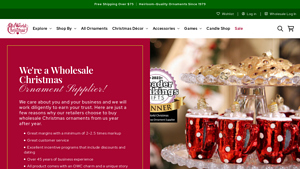
Domain: oldworldchristmas.com
Registered: 1998 (27 years)
Introduction: Wholesale Christmas Ornaments from Old World Christmas offer over 1,500 unique designs, including mouth-blown, hand-painted glass ornaments. The company has been in business for over 45 years and supports independent retailers, refusing to sell to big box stores. Retailers can expect great margins with a minimum markup of 2-2.5 times, excellent customer service, and incentive programs including di…
2. Decorators Warehouse – Unique Christmas Ornaments
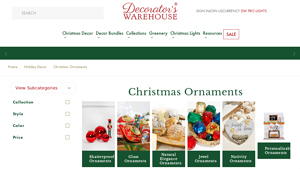
Domain: decoratorswarehouse.com
Registered: 2002 (23 years)
Introduction: Unique Christmas Ornaments available in various styles and materials including shatterproof, glass, and personalized options. Featured products include: 8.6″ Metal Antique Jingle Bells ($24.99), 9″ x 14″ Red Bow ($12.99), 4″ Glass Beaded Pearls Ball Ornament ($9.99), 11.5″ Chenille Sweets Candy Cane ($7.99), and many more. Collections include Natural Elegance, Winter Woodland, Farmhouse Christmas,…
3. Christmas Place – Wholesale Christmas Products
Domain: christmasplace.com
Registered: 1996 (29 years)
Introduction: Christmas Wholesale Distributor offers a wide range of products including:
– Artificial Christmas Trees
– Decorations
– Ornaments
– Indoor and outdoor lighting solutions
– Lush garlands and wreaths
– Unique ornaments and holiday accents
– Candy canes, baubles, ribbons, and bows
– Nativity scenes, candles, mistletoe, and bells
– Gifts and wrapping paper
The offerings cater to commercial …
4. Ganz – Wholesale Christmas Ornaments
Domain: ganz.com
Registered: 1999 (26 years)
Introduction: Wholesale Christmas Ornaments available in bulk. Key products include: 1. Teeny Holiday Characters (12 pc. ppk.) – Out of Stock, ETA: Oct 31, 2025. 2. Handcrafted Angel Ornaments (4 pc. ppk.) – In Stock. 3. Baby Talk Ornaments (8 pc. ppk.) – In Stock. 4. Beaded Snowflake Ornament (2 pc. set) – In Stock. 5. Plaid Birdhouse w/Bell Ornaments (6 pc. ppk.) – In Stock. 6. Bell Swag Ornament – In Stock. …
5. Faire – Wholesale Christmas Ornaments
Domain: faire.com
Registered: 1998 (27 years)
Introduction: Wholesale Christmas ornaments for your store from over 100,000 brands. Exquisite pieces to enchant your store.
Understanding wholesale christmas ornaments Types and Variations
| Type Name | Key Distinguishing Features | Primary B2B Applications | Brief Pros & Cons for Buyers |
|---|---|---|---|
| Glass Ornaments | Hand-blown, intricate designs, and vibrant colors | Retail stores, holiday markets, online shops | Pros: High aesthetic appeal, collectible value. Cons: Fragile, may require careful handling and storage. |
| Shatterproof Ornaments | Made from durable plastic, resistant to breakage | Family-oriented retailers, theme parks | Pros: Safe for children, easy to display. Cons: May lack the traditional charm of glass ornaments. |
| Personalized Ornaments | Customizable designs tailored to individual customers | Gift shops, e-commerce platforms | Pros: Unique offerings, higher customer engagement. Cons: Longer lead times for production. |
| Themed Ornaments | Specific designs based on trends, holidays, or pop culture | Niche retailers, promotional events | Pros: Appeals to specific customer interests. Cons: Seasonal demand may lead to excess inventory. |
| Eco-Friendly Ornaments | Made from sustainable materials, often biodegradable | Green retailers, eco-conscious markets | Pros: Attracts environmentally-aware consumers. Cons: May be higher priced than conventional options. |
What are the characteristics of glass ornaments and their suitability for B2B buyers?
Glass ornaments are celebrated for their exquisite craftsmanship and vibrant colors, often hand-blown and intricately designed. They serve as premium offerings in retail environments, appealing to customers seeking high-quality, collectible decorations. B2B buyers should consider the fragility of these ornaments, ensuring proper storage and display methods to minimize breakage. Their aesthetic appeal can lead to higher margins, but retailers must balance this with the risk of damage during transport and handling.
How do shatterproof ornaments cater to family-oriented markets?
Shatterproof ornaments are made from durable plastic, designed to withstand the rigors of holiday celebrations, making them ideal for family-oriented markets. Their resilience appeals to retailers focusing on safety and practicality, especially those catering to households with children or pets. B2B buyers should evaluate the variety of colors and styles available, as these ornaments can still maintain a festive appearance without the risk of breakage. However, the lack of traditional charm may not appeal to all customer segments.
Why are personalized ornaments becoming increasingly popular among B2B buyers?
Personalized ornaments offer a unique selling proposition, allowing retailers to cater to individual customer preferences through customization. This trend is particularly effective for gift shops and e-commerce platforms, where customers seek meaningful and memorable products. B2B buyers should consider the lead times associated with personalized orders, as customization may require additional production time. However, the potential for customer loyalty and repeat business can outweigh these challenges, making personalized offerings a valuable addition to any inventory.
What advantages do themed ornaments provide in niche retail markets?
Themed ornaments capitalize on current trends, holidays, or popular culture, allowing retailers to attract specific customer segments. These ornaments can be particularly effective in niche markets or promotional events, where unique designs can draw attention and encourage purchases. B2B buyers should assess the seasonal demand for themed ornaments to avoid excess inventory after peak times. While they can create excitement and drive sales, the specific focus may limit appeal to broader audiences.
How do eco-friendly ornaments align with current market trends?
Eco-friendly ornaments are crafted from sustainable materials and often emphasize biodegradable components, appealing to environmentally-conscious consumers. Retailers focusing on green products can leverage this trend to attract a growing demographic interested in sustainability. B2B buyers should evaluate the cost implications of eco-friendly products, as they may carry a premium price point. However, the potential for increased customer loyalty and brand differentiation in a crowded market can make eco-friendly ornaments a worthwhile investment.
Key Industrial Applications of wholesale christmas ornaments
| Industry/Sector | Specific Application of wholesale christmas ornaments | Value/Benefit for the Business | Key Sourcing Considerations for this Application |
|---|---|---|---|
| Retail | Seasonal retail displays and promotions | Attracts customers, increases foot traffic, and boosts sales during the holiday season | Quality, design variety, and compliance with local regulations |
| E-commerce | Online sales of customized or unique ornaments | Expands market reach and caters to personalized gifting trends | Reliable shipping, inventory management, and strong product descriptions |
| Hospitality | Decoration for hotels and restaurants during the holiday season | Enhances guest experience and creates a festive atmosphere | Bulk purchasing options and unique design offerings |
| Event Planning | Customized ornaments for corporate events and holiday parties | Provides a unique branding opportunity and memorable keepsakes | Customization capabilities and lead times for production |
| Gift Shops | Curated collections of ornaments for gift-giving | Diversifies product offerings and meets consumer demand for unique gifts | Pricing, quality assurance, and trends in consumer preferences |
How Can Retailers Leverage Wholesale Christmas Ornaments for Seasonal Promotions?
Retailers can utilize wholesale Christmas ornaments to create vibrant seasonal displays that capture customer attention. By incorporating a variety of styles, from traditional to modern, retailers can cater to diverse consumer preferences. This strategy not only enhances the shopping experience but also drives foot traffic and boosts sales during peak holiday periods. Buyers should consider sourcing from suppliers that offer unique designs and reliable quality, ensuring compliance with local regulations to avoid issues during sales.
What Role Do Wholesale Christmas Ornaments Play in E-commerce?
In the realm of e-commerce, wholesale Christmas ornaments can be marketed as personalized gifts, tapping into the growing trend of customization. This approach allows businesses to differentiate themselves in a competitive market while catering to customer desires for unique, meaningful items. E-commerce retailers must prioritize reliable shipping options and effective inventory management to ensure customer satisfaction. Additionally, well-crafted product descriptions and high-quality images are essential for online sales success.
How Do Hospitality Businesses Benefit from Using Wholesale Christmas Ornaments?
Hotels and restaurants can enhance their festive ambiance by incorporating wholesale Christmas ornaments into their holiday decorations. This not only elevates the guest experience but also creates a memorable atmosphere that encourages repeat visits. Hospitality businesses should focus on bulk purchasing options that provide cost savings and unique design offerings to stand out. It’s crucial to select suppliers that can deliver quality products that align with the establishment’s branding and aesthetic.
In What Ways Can Event Planners Utilize Wholesale Christmas Ornaments?
Event planners can use wholesale Christmas ornaments as customized décor for corporate events and holiday parties, adding a unique touch that resonates with attendees. These ornaments can serve as memorable keepsakes, reinforcing brand identity and enhancing the overall event experience. When sourcing, planners should look for suppliers that offer customization capabilities and reasonable lead times to ensure timely delivery. Quality assurance is also vital to maintain a professional standard at events.
How Can Gift Shops Attract Customers with Wholesale Christmas Ornaments?
Gift shops can curate unique collections of wholesale Christmas ornaments, appealing to consumers looking for distinctive gift options. By offering a mix of styles and themes, gift shops can cater to various customer demographics, enhancing their product offerings. Sourcing considerations should include pricing strategies, quality assurance, and staying informed about current consumer trends to align with market demands. This approach not only diversifies inventory but also increases customer satisfaction and sales potential.
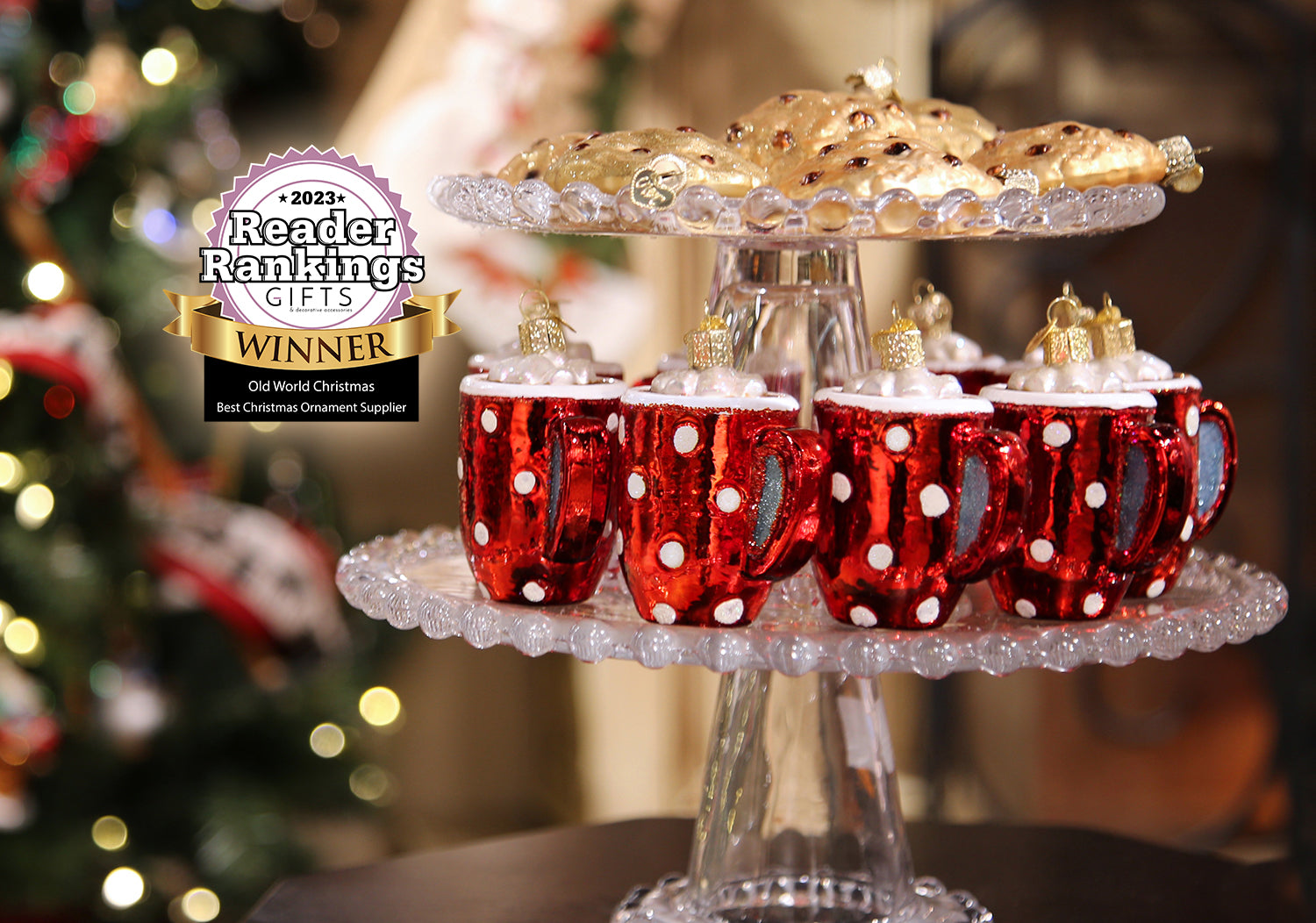
A stock image related to wholesale christmas ornaments.
3 Common User Pain Points for ‘wholesale christmas ornaments’ & Their Solutions
Scenario 1: Navigating Quality Concerns in Bulk Orders of Christmas Ornaments
The Problem: One of the primary challenges faced by B2B buyers in the wholesale Christmas ornament market is ensuring product quality when ordering in bulk. Given the seasonal nature of these products, buyers may worry about the consistency of quality, particularly when ornaments are being sourced from different manufacturers or suppliers. Issues such as breakage during shipping, discrepancies in color and finish, and overall craftsmanship can lead to unsatisfied customers and increased return rates, which can be detrimental for retailers who rely on customer satisfaction during the holiday season.
The Solution: To mitigate quality concerns, B2B buyers should prioritize sourcing from established suppliers known for their craftsmanship and customer service. Research suppliers with a proven track record of quality assurance and positive reviews from other retailers. Establishing a relationship with a supplier who can provide samples before placing a large order is also advisable. This allows for a hands-on evaluation of the ornament’s quality, design, and finish. Additionally, implementing a thorough quality check upon receipt of the shipment can help identify any issues early. Buyers should also inquire about the supplier’s return policy and warranty for defective items, as this can provide an additional layer of security in case problems arise post-purchase.
Scenario 2: Managing Seasonal Demand Fluctuations
The Problem: Seasonal demand for Christmas ornaments can be unpredictable, especially for international markets where cultural preferences may vary. Buyers may struggle to accurately forecast inventory needs, leading to overstocking or stockouts. Overstocking can tie up capital and increase storage costs, while stockouts can result in lost sales opportunities and disappointed customers during peak shopping periods.
The Solution: To effectively manage demand fluctuations, B2B buyers should utilize data analytics tools to analyze past sales trends and customer preferences. By leveraging insights from previous holiday seasons, buyers can make informed decisions about the variety and quantity of ornaments to order. Additionally, maintaining a flexible purchasing strategy that allows for smaller, more frequent orders can help adapt to changing demand without the risk of overcommitting capital. Establishing a good communication line with suppliers can also facilitate quick restocking when certain items sell out, ensuring that popular ornaments remain available throughout the season.
Scenario 3: Finding Unique and Diverse Ornament Options
The Problem: Many B2B buyers face the challenge of offering unique and diverse ornament options to meet the tastes of their varied customer base. With a saturated market and increasing competition, relying solely on generic or mainstream designs can limit a retailer’s appeal. Buyers need to differentiate their offerings to attract customers who are seeking unique, personalized, or culturally relevant ornaments.
The Solution: To curate a distinctive selection of ornaments, buyers should collaborate closely with suppliers who offer custom design options or have a diverse catalog. Engaging with suppliers that encourage feedback and suggestions can lead to the development of exclusive products that resonate with local markets. Attending trade shows and industry exhibitions can also provide insights into emerging trends and innovative designs. Furthermore, implementing a pre-order system for limited-edition or seasonal designs can create excitement and anticipation among customers, driving sales and enhancing brand loyalty. By focusing on unique offerings and actively seeking out diverse designs, buyers can elevate their product range and stand out in a competitive landscape.
Strategic Material Selection Guide for wholesale christmas ornaments
What Are the Key Properties of Common Materials Used in Wholesale Christmas Ornaments?
When selecting materials for wholesale Christmas ornaments, understanding the properties and performance characteristics of each option is crucial. Here, we analyze four common materials: glass, resin, wood, and shatterproof plastic.
Glass: A Classic Choice for Elegance and Durability
Key Properties: Glass ornaments are typically made from mouth-blown or molded glass. They can withstand moderate temperature variations but are susceptible to breakage under high impact.
Pros & Cons: Glass offers a premium aesthetic and can be intricately designed, making it a favorite for high-end markets. However, its fragility can lead to higher shipping costs and potential losses due to breakage. The manufacturing process is relatively complex, requiring skilled artisans, which can increase production costs.
Impact on Application: Glass ornaments are ideal for markets that prioritize elegance and tradition, making them suitable for upscale retailers. However, they may not be the best choice for regions with high transportation risks.
Considerations for International Buyers: Buyers from regions such as Africa and South America should be aware of the potential for breakage during transit. Compliance with international shipping standards is essential to mitigate losses.
Resin: Versatile and Cost-Effective
Key Properties: Resin ornaments are lightweight and can be molded into intricate shapes. They are generally resistant to temperature fluctuations and moisture, making them suitable for various climates.
Pros & Cons: The affordability of resin makes it an attractive option for bulk purchases. However, while durable, resin can fade over time when exposed to sunlight, which may limit its appeal in sunny regions.
Impact on Application: Resin is versatile and can be used for both traditional and modern designs, appealing to a broad audience. Its lightweight nature reduces shipping costs, making it a practical choice for international buyers.
Considerations for International Buyers: Compliance with environmental regulations is critical, particularly in Europe, where there are stringent guidelines on plastic materials. Buyers should ensure that their suppliers adhere to these standards.
Wood: A Sustainable and Unique Option
Key Properties: Wooden ornaments are typically made from natural wood or engineered wood products. They are durable and can withstand various environmental conditions, but their susceptibility to moisture can lead to warping or cracking.
Pros & Cons: Wood offers a rustic charm and is often favored for its sustainability. However, the cost of high-quality wood can be significant, and the manufacturing process may involve longer lead times due to the need for finishing and treatment.
Impact on Application: Wooden ornaments can cater to eco-conscious consumers and are often marketed as artisanal products. They are particularly popular in regions where traditional craftsmanship is valued.
Considerations for International Buyers: Buyers in the Middle East and Europe should ensure that wood products comply with international regulations regarding sustainable sourcing. Certifications like FSC (Forest Stewardship Council) can enhance marketability.
Shatterproof Plastic: Practical for High-Traffic Retail Environments
Key Properties: Shatterproof ornaments are typically made from high-quality plastic that mimics the appearance of glass. They are designed to withstand high impact and resist breaking, making them ideal for families and high-traffic retail settings.
Pros & Cons: The primary advantage of shatterproof ornaments is their durability and safety, particularly in environments with children. However, they may lack the premium feel of glass, which can affect their perceived value.
Impact on Application: Shatterproof options are ideal for retailers targeting families or those in regions with high transportation risks. They can be marketed as a practical choice for holiday decorating without sacrificing style.
Considerations for International Buyers: Buyers should verify that shatterproof plastics meet relevant safety standards, especially in Europe and North America, where regulations can be strict.
Summary Table of Material Selection for Wholesale Christmas Ornaments
| Material | Typical Use Case for wholesale christmas ornaments | Key Advantage | Key Disadvantage/Limitation | Relative Cost (Low/Med/High) |
|---|---|---|---|---|
| Glass | High-end retail markets | Premium aesthetic and intricate designs | Fragile, higher shipping costs | High |
| Resin | Budget-friendly and versatile options | Cost-effective and lightweight | Can fade in sunlight | Low |
| Wood | Eco-conscious and artisanal markets | Sustainable and unique appeal | Susceptible to moisture | Med |
| Shatterproof Plastic | Family-oriented and high-traffic retail settings | Durable and safe | Lacks premium feel | Low |
This guide provides B2B buyers with essential insights into material selection for wholesale Christmas ornaments, enabling informed purchasing decisions that align with market demands and regional preferences.
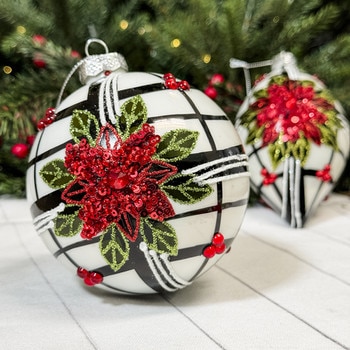
A stock image related to wholesale christmas ornaments.
In-depth Look: Manufacturing Processes and Quality Assurance for wholesale christmas ornaments
What Are the Main Stages of Manufacturing Wholesale Christmas Ornaments?
The manufacturing of wholesale Christmas ornaments typically involves several key stages, ensuring that the final products meet both aesthetic and quality standards. Understanding these stages can help B2B buyers select suppliers who adhere to best practices.
Material Preparation: What Materials Are Used in Christmas Ornament Production?
The first stage involves sourcing high-quality materials, which may include glass, resin, metal, and various decorative finishes. Each material requires specific handling and preparation. For glass ornaments, raw glass is often melted and shaped using a variety of techniques, including mouth-blowing for unique designs. Resin ornaments are typically produced using molds, allowing for intricate shapes and details. Quality suppliers will often prioritize sourcing materials that comply with safety regulations, ensuring that the ornaments are safe for consumers.
How Are Christmas Ornaments Formed During Manufacturing?
Once materials are prepared, the forming stage begins. For glass ornaments, skilled artisans blow glass into molds, creating the desired shapes. For mass-produced ornaments, automated machines may be employed to ensure uniformity and efficiency. In the case of shatterproof ornaments, materials like high-density polyethylene (HDPE) are molded into shape. The forming process is crucial, as it determines the structural integrity and aesthetic appeal of the ornaments.
What Assembly Techniques Are Commonly Used in Ornament Production?
After forming, the assembly stage involves adding decorative elements, such as paints, glitter, and embellishments. This stage may involve hand-painting or machine application, depending on the design complexity and production scale. Customization options, such as personalization and thematic designs, are often incorporated at this stage. Quality manufacturers will employ techniques that ensure durability and adherence of these decorative elements, minimizing the risk of wear and tear during transit and use.
What Finishing Processes Enhance the Quality of Christmas Ornaments?
The final stage, finishing, includes quality checks, packaging, and preparation for shipment. This may involve applying protective coatings, ensuring color fastness, and inspecting for defects. Proper finishing is vital for enhancing the visual appeal and longevity of ornaments. Additionally, ornaments are often packaged in a way that minimizes damage during transport, using dividers and cushioning materials to safeguard fragile items.
What Quality Assurance Standards Should B2B Buyers Consider?
Quality assurance (QA) in the manufacturing of wholesale Christmas ornaments is critical for maintaining product standards and customer satisfaction. B2B buyers should be familiar with relevant international and industry-specific standards to ensure they are sourcing from reputable suppliers.
Which International Standards Are Relevant for Quality Assurance in Ornament Manufacturing?
ISO 9001 is a widely recognized international standard for quality management systems. Suppliers who adhere to ISO 9001 demonstrate a commitment to consistent quality and customer satisfaction. Additionally, compliance with CE marking indicates that products meet European health, safety, and environmental protection standards, which can be crucial for buyers in Europe and other regions.
What Are the Key Quality Control Checkpoints in Ornament Manufacturing?
Quality control (QC) is typically structured around several checkpoints:
- Incoming Quality Control (IQC): This involves inspecting raw materials upon arrival to ensure they meet specified standards.
- In-Process Quality Control (IPQC): Throughout the manufacturing process, regular checks are conducted to monitor production quality and make adjustments as needed.
- Final Quality Control (FQC): Before packaging, finished products undergo a final inspection to identify defects and ensure compliance with quality standards.
These checkpoints are essential for maintaining quality throughout the manufacturing process and minimizing defects.
How Can B2B Buyers Verify Supplier Quality Control Practices?
B2B buyers should take proactive steps to verify the quality control practices of their suppliers. This not only ensures product quality but also fosters long-term partnerships.
What Are Effective Methods for Auditing and Verifying Quality Control?
One effective method is conducting supplier audits, which can be done either in person or remotely. During an audit, buyers can assess the supplier’s manufacturing processes, quality control systems, and adherence to international standards. Requesting quality control reports and certifications can also provide insight into the supplier’s commitment to quality.
How Can Third-Party Inspections Enhance Trust in Supplier Quality?
Engaging third-party inspection services adds an additional layer of verification. These independent inspectors can conduct random checks during production and before shipment to confirm that products meet specified standards. This is particularly important for B2B buyers who operate in regions with stringent import regulations, such as the European Union.
What Are the Unique Quality Control Considerations for International Buyers?
For international B2B buyers, understanding the nuances of quality control is essential, especially when importing products from different regions.
How Do Regional Standards Affect Quality Assurance in Ornament Manufacturing?
Different regions may have varying standards for materials and product safety. For example, buyers from Africa and South America should be aware of local regulations that may differ from those in Europe or the Middle East. It’s essential for buyers to communicate their specific quality requirements and ensure that suppliers can meet them.
What Should Buyers Know About Shipping and Handling Quality Assurance?
Shipping and handling present unique challenges that can affect product quality. B2B buyers should inquire about how suppliers package their products and what measures are in place to prevent damage during transit. Understanding the logistics involved can help buyers anticipate potential issues and ensure that their orders arrive in optimal condition.
Conclusion
The manufacturing processes and quality assurance measures for wholesale Christmas ornaments are crucial considerations for B2B buyers. By understanding the stages of production, relevant quality standards, and effective verification methods, buyers can make informed decisions that enhance their purchasing strategy. This knowledge not only helps in sourcing high-quality ornaments but also builds lasting relationships with reliable suppliers in the industry.
Practical Sourcing Guide: A Step-by-Step Checklist for ‘wholesale christmas ornaments’
In the competitive landscape of holiday retail, sourcing wholesale Christmas ornaments effectively is crucial for maximizing profits and enhancing customer satisfaction. This guide provides a structured approach to ensure B2B buyers can procure high-quality ornaments that meet their market needs while building lasting relationships with suppliers.
Step 1: Identify Your Target Market
Understanding your customer base is fundamental. Analyze demographic data to determine preferences for styles, materials, and pricing. Consider regional trends—what sells in Europe may differ from what is popular in Africa or South America.
- Market Research: Use surveys or sales data to gauge what types of ornaments your customers prefer.
- Cultural Relevance: Be aware of local traditions and holidays that may influence ornament choices.
Step 2: Define Your Budget and Pricing Strategy
Establishing a clear budget will guide your sourcing decisions and ensure profitability. Assess the costs associated with purchasing, shipping, and potential tariffs.
- Markup Consideration: Aim for a markup of 2-2.5 times your purchase price to maintain healthy profit margins.
- Discount Opportunities: Explore volume discounts or seasonal promotions that suppliers may offer.
Step 3: Evaluate Potential Suppliers
Thoroughly vet potential suppliers to ensure they align with your business values and standards. This step is crucial to avoid disruptions in your supply chain.
- Supplier Credentials: Request company profiles, references, and case studies from other retailers in your region.
- Quality Assurance: Look for suppliers who offer guarantees on product quality and customer service.
Step 4: Request Samples and Assess Quality
Before placing a large order, request samples to evaluate the quality of the ornaments. This step helps prevent costly mistakes.
- Material Evaluation: Examine the durability and craftsmanship, especially for glass and shatterproof options.
- Design Appeal: Ensure the designs resonate with your target market by involving team members in the evaluation.
Step 5: Negotiate Terms and Conditions
Once you have selected a supplier, engage in negotiations to establish favorable terms. This step can significantly impact your bottom line.
- Payment Terms: Discuss options such as net 30 or net 60, which can improve cash flow.
- Shipping Arrangements: Clarify shipping costs, timelines, and responsibilities for damages or delays.
Step 6: Establish an Ongoing Relationship
Building a strong relationship with your suppliers can lead to better deals and more reliable service in the long run. Regular communication fosters trust and collaboration.
- Feedback Loop: Provide feedback on products and services to help suppliers improve.
- Exclusive Offers: Inquire about the possibility of exclusive designs or early access to new collections.
Step 7: Plan for Seasonal Demand
Prepare for fluctuations in demand during the holiday season by developing a strategic inventory plan. This proactive approach ensures you meet customer expectations without overstocking.
- Inventory Management: Use historical sales data to project demand and adjust orders accordingly.
- Marketing Strategies: Coordinate with marketing efforts to promote your ornament selection well in advance of the holiday season.
By following this checklist, B2B buyers can navigate the complexities of sourcing wholesale Christmas ornaments, ensuring they select the best products that cater to their market while maximizing profitability.
Comprehensive Cost and Pricing Analysis for wholesale christmas ornaments Sourcing
What Are the Key Cost Components in Sourcing Wholesale Christmas Ornaments?
When sourcing wholesale Christmas ornaments, understanding the cost structure is crucial for ensuring profitability. The primary cost components include:
-
Materials: The choice of materials significantly impacts the overall cost. High-quality glass, shatterproof plastics, and unique embellishments can drive up expenses. For instance, glass ornaments tend to be more expensive due to the raw material costs and the intricacy involved in production.
-
Labor: Labor costs vary based on the manufacturing location and the skill level required. Countries with lower labor costs may offer more competitive pricing, but it’s essential to consider the potential trade-offs in quality and craftsmanship.
-
Manufacturing Overhead: This encompasses the costs of utilities, equipment, and facility maintenance. Overhead can fluctuate based on production volume and efficiency.
-
Tooling: Custom designs often require specialized molds and tools, which can add to initial costs. However, these costs can be amortized over larger production runs, making it more economical for high-volume orders.
-
Quality Control (QC): Implementing strict QC processes ensures that only high-quality products reach the market. While this adds to costs, it helps avoid returns and dissatisfied customers, ultimately enhancing brand reputation.
-
Logistics: Shipping costs can vary significantly depending on the origin of the goods and the destination. International buyers must consider tariffs, taxes, and potential delays, which can impact pricing.
-
Margin: Typically, wholesalers aim for a markup of 2 to 2.5 times the cost price to cover all expenses and achieve profitability.
What Influences Pricing for Wholesale Christmas Ornaments?
Several factors influence pricing dynamics in the wholesale ornament market:
-
Volume/MOQ: Bulk purchases usually attract lower prices per unit. Establishing a Minimum Order Quantity (MOQ) can help suppliers manage production costs while providing better rates for buyers.
-
Specifications and Customization: Custom designs or unique specifications can lead to higher prices due to the additional resources required for development and production.
-
Material Quality and Certifications: Higher quality materials often come with certifications that assure buyers of durability and safety, justifying a premium price.
-
Supplier Factors: The reputation and reliability of the supplier can influence pricing. Established suppliers with proven track records may charge more for their products due to their quality assurance.
-
Incoterms: Understanding Incoterms is vital for international transactions. They define the responsibilities of buyers and sellers regarding shipping, insurance, and tariffs, which can impact total costs.
What Are the Best Negotiation Strategies for International Buyers?
For international B2B buyers, particularly from regions like Africa, South America, the Middle East, and Europe, effective negotiation strategies can lead to significant cost savings:
-
Research and Benchmarking: Know the market rates for similar products. This information provides leverage during negotiations.
-
Build Relationships: Establishing strong relationships with suppliers can lead to better pricing and terms. Trust can result in discounts or more favorable payment terms.
-
Consider Total Cost of Ownership (TCO): Evaluate not just the purchase price but also the long-term costs associated with the ornaments, including shipping, storage, and potential returns.
-
Leverage Volume Discounts: When possible, combine orders with other businesses to meet higher volume thresholds that can attract better pricing.
-
Be Aware of Pricing Nuances: Different regions may have varying pricing structures due to local demand, competition, and economic conditions. Buyers should consider these factors when negotiating prices.
Disclaimer on Pricing
It is important to note that prices can fluctuate based on market conditions, seasonal demand, and changes in material costs. Always confirm current pricing with suppliers before making purchasing decisions to ensure alignment with your budget and financial projections.
Alternatives Analysis: Comparing wholesale christmas ornaments With Other Solutions
When considering options for festive decorations, particularly for B2B buyers looking to stock up for the holiday season, it’s essential to evaluate various solutions. While wholesale Christmas ornaments offer a traditional and popular choice, there are alternative solutions that can also meet the needs of retailers and their customers. This analysis compares wholesale Christmas ornaments against two viable alternatives: DIY ornament kits and digital ornament printing services.
| Comparison Aspect | Wholesale Christmas Ornaments | DIY Ornament Kits | Digital Ornament Printing Services |
|---|---|---|---|
| Performance | High-quality, ready-to-sell | Variable quality, depends on materials used | Customizable, professional quality |
| Cost | Moderate cost with potential for high margins | Generally lower cost, but requires labor | Higher initial cost, but can offer unique designs |
| Ease of Implementation | Simple ordering process, quick delivery | Requires time and effort to create | Easy ordering, but may need design input |
| Maintenance | Minimal, typically durable products | Ongoing maintenance if fragile | Low, once printed, they are ready to use |
| Best Use Case | Retail environments seeking variety and quality | Craft stores or events focused on personalization | Businesses wanting unique branding or gifts |
What Are the Benefits and Drawbacks of DIY Ornament Kits for B2B Buyers?
DIY ornament kits can be an appealing alternative for businesses that want to offer a unique, hands-on experience to customers. These kits typically contain all necessary materials to create personalized ornaments, allowing for creativity and customization. The primary advantage is cost, as they can be cheaper than purchasing pre-made ornaments. However, the quality can vary significantly based on the materials used, and they require additional labor and time to assemble. This approach is best suited for craft stores or events where customer engagement is a priority.
How Do Digital Ornament Printing Services Compare to Wholesale Christmas Ornaments?
Digital ornament printing services provide businesses with the ability to create custom designs that align with their branding or specific customer requests. This method ensures professional quality and unique offerings that can stand out in the market. While the initial investment may be higher compared to wholesale ornaments, the potential for customization can lead to increased customer satisfaction and loyalty. The ease of ordering and the ability to create unique designs make this option attractive, especially for companies looking to differentiate their product lines.
Conclusion: How Should B2B Buyers Decide Between Wholesale Christmas Ornaments and Alternatives?
Choosing the right solution ultimately depends on the specific needs and goals of the business. Wholesale Christmas ornaments offer a reliable, high-quality product that is easy to implement and maintain, making them ideal for retailers looking for a straightforward solution. On the other hand, DIY ornament kits and digital printing services provide opportunities for personalization and unique offerings, which can engage customers in different ways. Buyers should assess their target market, available resources, and desired product differentiation to select the best option for their holiday inventory. By aligning their choice with customer preferences and business objectives, B2B buyers can maximize their success during the festive season.
Essential Technical Properties and Trade Terminology for wholesale christmas ornaments
What Are the Key Technical Properties of Wholesale Christmas Ornaments?
When sourcing wholesale Christmas ornaments, understanding the technical properties is essential for ensuring product quality and customer satisfaction. Here are some critical specifications that international B2B buyers should consider:
-
Material Composition
The materials used in ornaments vary widely, including glass, resin, plastic, and wood. Glass ornaments are often hand-blown and hand-painted, offering a premium aesthetic but requiring careful handling. Shatterproof ornaments, typically made from durable plastic, provide a practical option for families with children. Understanding material composition helps buyers select products that align with their target market’s preferences and durability requirements. -
Size and Weight Specifications
Ornaments come in various sizes and weights, which can influence shipping costs and display options. Larger ornaments may stand out on a tree but can also increase shipping fees and storage needs. Buyers should assess the size range that suits their retail space and customer preferences while considering the implications for logistics and inventory management. -
Finish and Texture
The finish of an ornament—such as matte, glossy, or iridescent—can significantly affect its visual appeal. Textured finishes, like those imitating natural materials, may attract customers looking for unique decorative pieces. Buyers should evaluate how different finishes resonate with their target demographic to enhance their product offering. -
Durability and Safety Ratings
Especially for ornaments intended for families or commercial displays, durability is paramount. Buyers should inquire about safety ratings and durability tests (e.g., impact resistance for shatterproof ornaments) to ensure that products can withstand handling and transportation. This consideration is crucial for maintaining customer satisfaction and minimizing returns. -
Customization Options
Many suppliers offer customization for ornaments, allowing buyers to personalize items with colors, designs, or engraving. This feature can enhance product differentiation in competitive markets and cater to specific customer segments. Buyers should explore custom options to provide unique offerings that stand out. -
Packaging Standards
Proper packaging is essential for protecting ornaments during transit. Buyers should assess packaging standards, such as the use of dividers in boxes for glass ornaments, to minimize breakage. Well-packaged products not only reduce losses but also enhance the unboxing experience for end consumers.
What Are Common Trade Terms in the Wholesale Christmas Ornament Industry?
Familiarity with industry jargon is critical for effective communication and negotiation in the wholesale market. Here are some common trade terms relevant to wholesale Christmas ornaments:
-
Minimum Order Quantity (MOQ)
This term refers to the smallest number of units a supplier will sell in a single order. Understanding the MOQ is essential for managing inventory and cash flow, particularly for new retailers or those testing new product lines. -
Request for Quotation (RFQ)
An RFQ is a document sent to suppliers asking for pricing and terms for specific products. B2B buyers use RFQs to compare offers and negotiate better deals. It’s a crucial step in the procurement process, ensuring transparency and competitiveness. -
Original Equipment Manufacturer (OEM)
OEM refers to companies that produce products that are then sold under another company’s brand. Buyers looking for unique or custom products should consider working with OEMs to achieve tailored offerings that meet their brand’s specifications. -
Incoterms (International Commercial Terms)
These are standardized terms used in international trade to define responsibilities between buyers and sellers, including shipping, insurance, and tariffs. Familiarity with Incoterms helps buyers understand their obligations and mitigate risks in cross-border transactions. -
Lead Time
Lead time refers to the time it takes from placing an order to receiving it. Understanding lead times is crucial for inventory planning, especially during peak seasons like Christmas when demand surges. -
Trade Discounts
These are reductions in price offered to wholesale buyers, often based on order volume or loyalty. Knowing the available trade discounts can significantly impact the overall cost and profitability of the product for retailers.
By grasping these essential technical properties and trade terms, B2B buyers can make informed decisions when sourcing wholesale Christmas ornaments, ensuring they meet market demands while optimizing their business operations.
Navigating Market Dynamics and Sourcing Trends in the wholesale christmas ornaments Sector
What Are the Key Market Trends Influencing Wholesale Christmas Ornaments?
The wholesale Christmas ornaments market is experiencing dynamic growth, driven by several global factors. Increasing disposable incomes in regions like Africa, South America, the Middle East, and Europe are leading to heightened consumer spending during the holiday season. This trend is particularly evident in countries like Brazil and Saudi Arabia, where cultural celebrations often include elaborate decorations. Additionally, the rise of e-commerce platforms has made it easier for international B2B buyers to access a diverse range of ornament designs and styles, facilitating a more competitive marketplace.
Emerging technologies are also reshaping sourcing strategies within the sector. Buyers are increasingly leveraging data analytics to forecast trends and manage inventory more efficiently. Real-time tracking systems enhance the supply chain’s transparency, allowing for better communication between suppliers and retailers. Moreover, the demand for personalized and unique ornaments is on the rise, prompting suppliers to innovate in their product offerings. For example, companies are increasingly introducing customizable options that cater to local tastes and preferences, which can significantly enhance customer satisfaction and loyalty.
How Is Sustainability Shaping the Wholesale Christmas Ornaments Sector?
Sustainability has become a crucial consideration for B2B buyers in the wholesale Christmas ornaments market. As consumers become more environmentally conscious, there is a growing demand for products that minimize environmental impact. This trend is reflected in the increasing preference for ornaments made from sustainable materials, such as recycled glass, biodegradable plastics, and responsibly sourced wood.
Ethical sourcing is also gaining traction, with buyers prioritizing suppliers who demonstrate a commitment to fair labor practices and transparent supply chains. Certifications such as Fair Trade or those from organizations promoting sustainable forestry practices are becoming important criteria for B2B buyers. By aligning with suppliers that prioritize sustainability, businesses can enhance their brand image and appeal to a broader customer base that values eco-friendly products. This shift not only addresses environmental concerns but also positions companies as responsible players in the market, which can be a significant competitive advantage.
What Is the Historical Context of the Wholesale Christmas Ornaments Market?
The wholesale Christmas ornaments market has evolved significantly over the decades. Initially dominated by traditional glass ornaments, the industry has expanded to include a wide variety of materials and styles, catering to diverse consumer preferences. The introduction of shatterproof ornaments in the late 20th century marked a pivotal moment, addressing safety concerns while maintaining aesthetic appeal.
As the market grew, so did the importance of storytelling and personalization in ornament design. Modern consumers are increasingly drawn to products that carry a unique narrative or can be customized to reflect personal experiences. This evolution mirrors broader trends in consumer behavior, where individuality and authenticity are highly valued. Understanding this historical context is essential for B2B buyers, as it underscores the importance of adaptability and innovation in sourcing strategies within the wholesale Christmas ornaments sector.
Frequently Asked Questions (FAQs) for B2B Buyers of wholesale christmas ornaments
-
How do I ensure the quality of wholesale Christmas ornaments from suppliers?
To guarantee the quality of wholesale Christmas ornaments, start by researching potential suppliers thoroughly. Look for companies with a solid reputation, verified reviews, and industry certifications. Request samples before placing a bulk order to inspect the craftsmanship and materials used. Additionally, inquire about their quality assurance processes, including how they handle defects and returns. Establishing clear communication about your quality standards upfront can also help ensure that you receive products that meet your expectations. -
What are the best materials for durable wholesale Christmas ornaments?
When sourcing wholesale Christmas ornaments, consider materials that balance durability and aesthetic appeal. Glass ornaments are popular for their elegance, but shatterproof options made from high-quality plastic or resin are increasingly favored for their resilience, especially in high-traffic retail environments. Additionally, wood and metal ornaments can offer unique designs and textures. Evaluate the target market’s preferences and seasonal trends to determine the best material mix that aligns with your brand and customer expectations. -
What customization options are available for wholesale Christmas ornaments?
Many suppliers offer customization options for wholesale Christmas ornaments, allowing you to tailor designs to fit your brand or market needs. Customization can include adding logos, unique color schemes, or personalized messages. Some manufacturers may also provide the option to create entirely new designs based on your specifications. When exploring customization, ensure you discuss minimum order quantities (MOQs) and lead times, as these can vary significantly between suppliers. -
What should I consider regarding minimum order quantities (MOQs) for wholesale Christmas ornaments?
Minimum order quantities (MOQs) can vary widely among suppliers, so it’s essential to understand their policies before placing an order. Consider your storage capacity and sales forecasts when evaluating MOQs. Some suppliers may offer lower MOQs for new buyers or during promotional periods. If a supplier’s MOQ is beyond your current needs, inquire about the possibility of mixing different ornament styles or designs to meet the requirement while diversifying your inventory. -
How can I vet suppliers for wholesale Christmas ornaments in international markets?
Vetting suppliers in international markets requires a multifaceted approach. Start by checking their business credentials, including certifications and memberships in industry organizations. Utilize platforms like Alibaba or Global Sources for reviews and ratings. Additionally, request references from other businesses that have worked with them. Conducting a factory visit or using third-party inspection services can provide deeper insights into their operations. Establishing clear communication and understanding their payment terms and policies is also crucial. -
What payment terms are typical for international wholesale ornament purchases?
Payment terms for international wholesale purchases can vary, but common practices include a deposit followed by a balance upon shipment. Many suppliers may accept payment methods such as wire transfers, letters of credit, or payment platforms like PayPal for smaller orders. It’s important to negotiate terms that align with your cash flow and risk tolerance. Always ensure that payment terms are documented in the purchase agreement to avoid misunderstandings later. -
How do I handle logistics and shipping for wholesale Christmas ornaments?
Logistics and shipping for wholesale Christmas ornaments involve careful planning to ensure timely delivery. Consider working with suppliers who have established relationships with reliable shipping companies. Discuss shipping options, including air versus sea freight, based on your budget and urgency. Understand customs regulations in your country to avoid delays, and ensure that the supplier provides all necessary documentation. Additionally, consider insurance for high-value shipments to protect against loss or damage during transit. -
What are the best practices for storing wholesale Christmas ornaments?
Proper storage of wholesale Christmas ornaments is essential to maintain their quality and appeal. Use sturdy, labeled bins with dividers to prevent breakage, especially for glass ornaments. For fragile items, wrap them in tissue paper or bubble wrap before placing them in storage. Keep ornaments in a cool, dry place away from direct sunlight to avoid fading or warping. Regularly inspect stored items for any signs of damage or pests, and rotate inventory to ensure older stock is sold first.
Important Disclaimer & Terms of Use
⚠️ Important Disclaimer
The information provided in this guide, including content regarding manufacturers, technical specifications, and market analysis, is for informational and educational purposes only. It does not constitute professional procurement advice, financial advice, or legal advice.
While we have made every effort to ensure the accuracy and timeliness of the information, we are not responsible for any errors, omissions, or outdated information. Market conditions, company details, and technical standards are subject to change.
B2B buyers must conduct their own independent and thorough due diligence before making any purchasing decisions. This includes contacting suppliers directly, verifying certifications, requesting samples, and seeking professional consultation. The risk of relying on any information in this guide is borne solely by the reader.
Strategic Sourcing Conclusion and Outlook for wholesale christmas ornaments
The wholesale Christmas ornaments market presents a unique opportunity for international buyers to enhance their product offerings while maximizing profit margins. As demonstrated by leading suppliers, retailers can achieve substantial markups—often between 2 to 2.5 times the wholesale cost—ensuring robust profitability. The emphasis on quality craftsmanship, diverse design options, and personalized products plays a critical role in attracting consumers and fostering repeat business.
Strategic sourcing is essential for navigating the complexities of this market. By establishing strong partnerships with reputable suppliers, businesses can access exclusive collections, participate in incentive programs, and benefit from excellent customer service. This not only enhances inventory diversity but also builds a loyal customer base that appreciates quality and unique offerings.
Looking ahead, international buyers from regions such as Africa, South America, the Middle East, and Europe should seize the opportunity to explore innovative ornament designs and sustainable materials. By aligning with suppliers who prioritize craftsmanship and customer engagement, buyers can position themselves as leaders in the festive retail market. Now is the time to invest in your inventory and delight your customers with exceptional products that tell a story and create lasting memories.