
Wholesale Citric Acid Suppliers Guide: An Expert Review of Top 4 Su…
Introduction: Navigating the Global Market for citric acid suppliers
In today’s competitive landscape, sourcing reliable citric acid suppliers can be a daunting challenge for international B2B buyers, particularly those operating in Africa, South America, the Middle East, and Europe. The demand for citric acid, an essential ingredient in food and beverage production, pharmaceuticals, and various industrial applications, is steadily rising. However, navigating the complexities of supplier selection, pricing structures, and product specifications can overwhelm even the most seasoned procurement professionals.
This comprehensive guide demystifies the global market for citric acid suppliers, offering insights into the various types available—such as food-grade, anhydrous, and liquid forms—as well as their diverse applications across multiple industries. It emphasizes the importance of supplier vetting, ensuring that buyers can discern quality and reliability from a multitude of options. Additionally, the guide delves into cost considerations, including bulk pricing strategies and shipping logistics, to help buyers make informed financial decisions.
By equipping B2B buyers with actionable knowledge and practical tools, this guide empowers organizations to streamline their sourcing processes. Ultimately, it aims to foster successful partnerships with reputable suppliers, ensuring that businesses can meet their citric acid needs while maintaining product quality and compliance standards.
Top 10 Citric Acid Suppliers Manufacturers & Suppliers List
1. Univar Solutions – Citric Acid
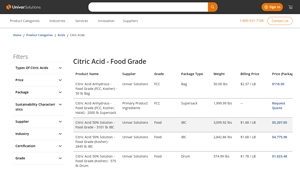
Domain: univarsolutions.com
Registered: 2018 (7 years)
Introduction: Citric Acid – Food Grade: Available in various forms including Anhydrous (50 lb Bag, 2000 lb Supersack) and 50% Solution (3101 lb IBC, 2845 lb IBC). Certifications include FCC, Kosher, and Halal. Pricing for Anhydrous starts at $2.37/lb for 50 lb Bag with bulk discounts available. 50% Solution priced at $1.68/lb. Citric Acid – Technical Grade also available. Suppliers include Univar Solutions, CAR…
2. Corechem – Citric Acid Anhydrous
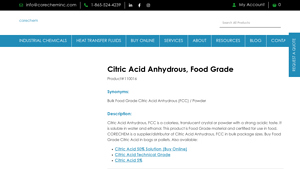
Domain: corecheminc.com
Registered: 2016 (9 years)
Introduction: Product Name: Citric Acid Anhydrous, Food Grade
Product Number: 110016
Synonyms: Bulk Food Grade Citric Acid Anhydrous (FCC) / Powder
Description: Colorless, translucent crystal or powder with a strong acidic taste; soluble in water and ethanol. Certified for food use.
Price Range: $116.67 – $3,477.32
Available Package Sizes: 50 lb. bag, Pallet (44 x 50 lb. bags)
CAS Number: 77-92-9
Chemical Formu…
3. Hawkins – Citric Acid Anhydrous USP, FCC
Domain: hawkinsinc.com
Registered: 1997 (28 years)
Introduction: Citric Acid Anhydrous USP, FCC
– Manufacturer, Supplier, and Distributor: Hawkins
– Product Type: High-purity, pharmaceutical-grade, dry Citric Acid USP-FCC
– Packaging: Available in bulk and multiple packaging options
– Appearance: White, crystalline powder
– Molecular Weight: 192.12 g/mol
– Chemical Formula: C6H8O7
– CAS #: 77-92-9
– Solubility: 60 g/100 mL water
– Storage Conditions: Store in t…
4. Vivion – Citric Acid Specifications
Domain: vivion.com
Registered: 2000 (25 years)
Introduction: Citric Acid Specifications:
– Name: Citric Acid
– CAS Number: 77-92-9
– Appearance: Powder, Granulate, Color: white, colorless
– pH at 20°C: 2.2 at g/l: 10, 1.7 at g/l: 100, at 25°C: 1.8 at g/l: 50
– Solubility: 592 g/l (20°C)
– Odor: odorless
– Vapor Pressure: 1.7 x 10⁻⁸ mm Hg (25°C / 77°F) (estimated)
– Minimum Order Quantity: 25 kg
Features and Benefits:
– Natural Origin: Derived from citrus f…
Understanding citric acid suppliers Types and Variations
| Type Name | Key Distinguishing Features | Primary B2B Applications | Brief Pros & Cons for Buyers |
|---|---|---|---|
| Citric Acid Anhydrous | Dry, crystalline form; high purity; versatile usage | Food, pharmaceuticals, cosmetics, cleaning products | Pros: Long shelf life, easy to store. Cons: Requires careful handling due to dust. |
| Citric Acid Liquid Solution | Liquid form; easier to mix; often available in bulk IBCs | Beverage industry, dairy, jams, and jellies | Pros: Convenient for large-scale production. Cons: Shorter shelf life than anhydrous form. |
| Food Grade Citric Acid | Certified for food applications; complies with safety standards | Food manufacturing, beverages, and dietary supplements | Pros: Safe for consumption, high demand. Cons: May be more expensive due to certifications. |
| Technical Grade Citric Acid | Suitable for industrial applications; not food-safe | Cleaning agents, metal cleaning, and environmental remediation | Pros: Cost-effective for industrial use. Cons: Not suitable for food applications. |
| Citric Acid for Pharmaceuticals | High purity, often meets USP standards | Drug formulation, dietary supplements | Pros: Meets strict regulatory requirements. Cons: Higher cost associated with pharmaceutical-grade materials. |
What Are the Characteristics of Citric Acid Anhydrous Suppliers?
Citric acid anhydrous is a dry, crystalline form that boasts high purity and versatility across multiple sectors. Suppliers of this type typically cater to food, pharmaceutical, cosmetic, and cleaning industries. When purchasing, B2B buyers should consider the handling requirements due to the potential for dust creation, which can pose inhalation risks. Additionally, anhydrous citric acid has a long shelf life, making it a convenient choice for manufacturers needing stability in their raw materials.
How Do Liquid Citric Acid Suppliers Differ?
Liquid citric acid solutions are easier to blend into various products, making them a popular choice in the beverage and dairy industries. Suppliers often offer this in bulk packaging, such as Intermediate Bulk Containers (IBCs), which is ideal for large-scale production. Buyers should weigh the benefits of convenience against the shorter shelf life compared to the anhydrous form. Liquid solutions also require careful handling to avoid spillage during transport and storage.
What Makes Food Grade Citric Acid Suppliers Unique?
Food-grade citric acid is specifically certified for safe consumption, adhering to stringent safety standards. Suppliers in this category focus on providing high-quality citric acid for food manufacturing, beverages, and dietary supplements. Buyers should consider the potential for a higher price point due to the certification process. However, the demand for food-grade materials often justifies the cost, as they are crucial for maintaining product safety and quality.
Why Choose Technical Grade Citric Acid Suppliers?
Technical grade citric acid is aimed at industrial applications rather than food safety. It is commonly used in cleaning agents, metal cleaning, and environmental remediation. B2B buyers looking for cost-effective options for non-consumable products will find this type advantageous. However, it is essential to remember that this grade is not suitable for food applications, thus requiring careful supplier selection based on intended use.
What Are the Benefits of Suppliers for Pharmaceutical Grade Citric Acid?
Pharmaceutical-grade citric acid is characterized by its high purity, often meeting United States Pharmacopeia (USP) standards. Suppliers of this type are essential for drug formulation and dietary supplements, where regulatory compliance is paramount. Buyers should be prepared for a higher cost associated with this grade due to rigorous quality controls. However, the assurance of meeting strict regulatory requirements makes it a worthwhile investment for companies in the pharmaceutical sector.
Key Industrial Applications of citric acid suppliers
| Industry/Sector | Specific Application of citric acid suppliers | Value/Benefit for the Business | Key Sourcing Considerations for this Application |
|---|---|---|---|
| Food & Beverage | Flavor enhancement and preservation | Enhances taste and extends shelf life of products | Quality certifications (e.g., FCC, Kosher), price, and availability of bulk options |
| Pharmaceuticals & Healthcare | pH adjustment and stabilizer in formulations | Ensures product efficacy and safety | Compliance with health regulations, consistency in supply, and purity grades |
| Cleaning & Industrial Products | Cleaning agents and descaling solutions | Efficient removal of stains and mineral deposits | Packaging options for bulk purchases, environmental impact, and safety data sheets |
| Agriculture | Soil pH adjustment and nutrient availability | Improves crop yield and health | Local sourcing options, compatibility with existing agricultural practices, and pricing |
| Cosmetics & Personal Care | pH regulation and preservative in formulations | Enhances product stability and safety for consumers | Sourcing from certified suppliers, consistency in quality, and availability of custom formulations |
How is Citric Acid Used in the Food & Beverage Industry?
In the food and beverage sector, citric acid is widely employed as a flavor enhancer and preservative. It effectively balances sweetness and adds a tart flavor, making it essential in products like soft drinks, jams, and sauces. For international buyers, particularly from regions like Africa and South America, sourcing citric acid with appropriate certifications (e.g., Kosher, Halal) is crucial to meet local regulatory requirements. Additionally, price competitiveness and the ability to secure bulk orders can significantly influence purchasing decisions.
What Role Does Citric Acid Play in Pharmaceuticals & Healthcare?
Citric acid functions as a pH adjuster and stabilizer in pharmaceutical formulations. It ensures the efficacy and safety of medications and supplements by maintaining the desired pH levels. B2B buyers in the healthcare sector must consider suppliers that comply with stringent health regulations and provide high-purity citric acid. Consistency in supply and adherence to quality standards are also critical factors in supplier selection.
How is Citric Acid Utilized in Cleaning & Industrial Products?
In cleaning applications, citric acid serves as an effective descaling agent and stain remover. Its chelating properties allow it to bind minerals, making it ideal for cleaning products used in households and industries. For buyers in this sector, sourcing from suppliers who offer detailed safety data sheets and environmentally friendly options is essential. Additionally, availability in bulk packaging can provide cost savings and efficiency for large-scale operations.
How Does Citric Acid Benefit Agriculture?
Citric acid is valuable in agriculture for adjusting soil pH and enhancing nutrient availability. By modifying the acidity of the soil, it helps improve crop yield and overall plant health. Buyers from agricultural sectors in regions such as the Middle East and Africa should consider local sourcing options to reduce transportation costs and ensure compatibility with existing farming practices. Understanding the specific application needs and pricing strategies is crucial for effective procurement.
What is the Importance of Citric Acid in Cosmetics & Personal Care?
In the cosmetics and personal care industry, citric acid is used for pH regulation and as a preservative in various formulations. It plays a vital role in maintaining product stability and extending shelf life, which is essential for consumer safety. B2B buyers should focus on sourcing from certified suppliers who can guarantee consistent quality and offer customized formulations to meet specific product requirements. Understanding the market trends and pricing can also enhance strategic sourcing decisions.
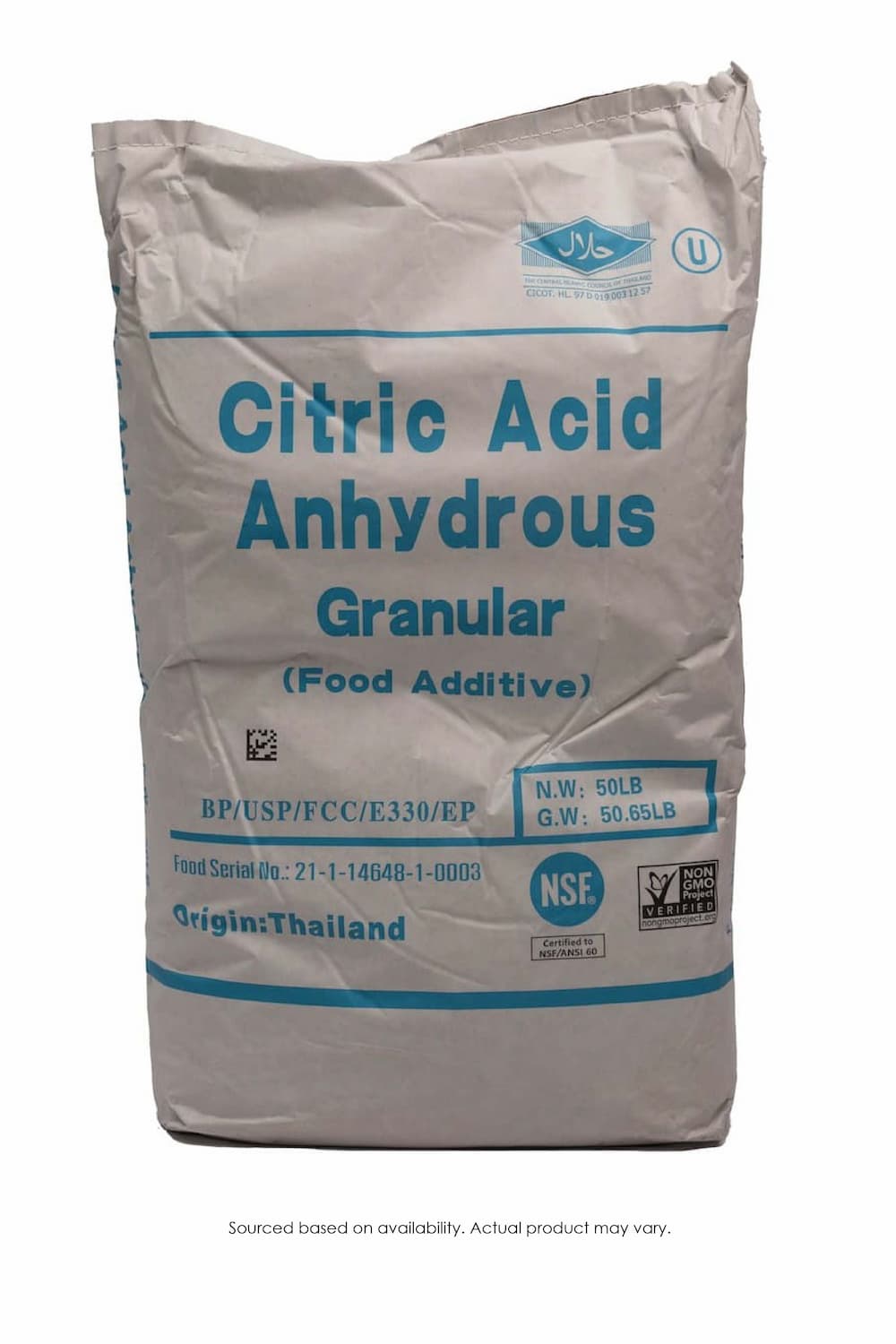
A stock image related to citric acid suppliers.
3 Common User Pain Points for ‘citric acid suppliers’ & Their Solutions
Scenario 1: Inconsistent Quality of Citric Acid Deliveries
The Problem: B2B buyers often struggle with inconsistent quality in shipments of citric acid from various suppliers. This inconsistency can arise from differences in production methods, raw materials, or even handling practices during transportation. For companies in the food and beverage industry, for example, using citric acid that does not meet the expected purity or quality standards can lead to compromised product safety and customer dissatisfaction. Such issues can also result in costly recalls or legal repercussions, severely impacting the buyer’s reputation and bottom line.
The Solution: To mitigate quality inconsistencies, buyers should implement a thorough vetting process for suppliers. This includes requesting detailed documentation of the supplier’s quality assurance processes, certifications (such as FDA, FCC, or Kosher), and production practices. Additionally, establishing a reliable relationship with a supplier that has a proven track record in the industry can ensure consistent quality. Buyers can also consider conducting periodic quality audits or requesting samples before placing large orders. Utilizing third-party testing labs to verify the quality of citric acid can further safeguard the buyer’s interests, ensuring they receive the product that meets their exact specifications.
Scenario 2: Unpredictable Pricing Fluctuations
The Problem: Many B2B buyers face the challenge of unpredictable pricing for citric acid, which can fluctuate significantly based on market demand, raw material availability, and geopolitical factors. This unpredictability can make budgeting and financial planning difficult, especially for businesses that rely heavily on citric acid for their products. Sudden price increases can lead to margin erosion and affect competitiveness in the market.
The Solution: To navigate pricing fluctuations, buyers should engage in strategic purchasing practices. This includes establishing long-term contracts with suppliers to lock in prices for a specified period, thereby providing cost stability. Buyers can also explore bulk purchasing options or cooperative buying arrangements with other businesses to negotiate better rates. Keeping abreast of market trends and utilizing price alerts from suppliers can help buyers anticipate changes and make informed purchasing decisions. Additionally, diversifying the supplier base can reduce reliance on a single source, providing more flexibility and competitive pricing options.
Scenario 3: Complicated Sourcing and Supply Chain Issues
The Problem: Sourcing citric acid can be a complex process, particularly for international buyers who must navigate import regulations, tariffs, and logistics challenges. This complexity can lead to delays in delivery and increased costs, which can disrupt production schedules and affect product availability in the market. Furthermore, language barriers and cultural differences can complicate communication with suppliers, leading to misunderstandings and further delays.
The Solution: To simplify the sourcing process, buyers should consider partnering with suppliers that have experience in international trade and can handle logistics on their behalf. Working with a supplier that offers comprehensive service, including customs clearance and delivery management, can alleviate many of the headaches associated with international shipping. Buyers should also invest in a reliable supply chain management system to track orders, monitor inventory levels, and manage supplier relationships effectively. Building strong relationships with suppliers through regular communication and collaboration can also help mitigate misunderstandings and ensure smoother transactions. Finally, considering local suppliers can reduce shipping times and costs, making the supply chain more efficient.
Strategic Material Selection Guide for citric acid suppliers
What Are the Key Materials Used by Citric Acid Suppliers?
When selecting materials for citric acid production and distribution, suppliers often consider several key options. Each material has unique properties, advantages, and disadvantages that can significantly impact its suitability for various applications. Below, we analyze four common materials used in citric acid supply chains: Anhydrous Citric Acid, Citric Acid Solution, Food-Grade Citric Acid, and USP Citric Acid.
1. Anhydrous Citric Acid
Key Properties: Anhydrous citric acid is a white crystalline powder that is highly soluble in water. It has a melting point of 153°C and is stable under normal conditions.
Pros & Cons: The main advantage of anhydrous citric acid is its high concentration, which makes it cost-effective for transport and storage. However, it can be hygroscopic, absorbing moisture from the air, which may lead to clumping and reduced shelf life.
Impact on Application: Anhydrous citric acid is commonly used in food and beverage applications for flavor enhancement and as a preservative. Its high acidity can effectively lower pH levels in various formulations.
Considerations for International Buyers: Buyers should ensure compliance with local food safety standards and certifications (e.g., FDA, EFSA) and consider the material’s stability during transport, especially in humid climates prevalent in parts of Africa and South America.
2. Citric Acid Solution
Key Properties: This liquid form typically contains 50% citric acid and is less concentrated than its anhydrous counterpart. It has a lower viscosity and is easier to handle in liquid form.
Pros & Cons: The main advantage of citric acid solution is its ease of use in applications requiring liquid ingredients. However, it is generally more expensive per unit of citric acid compared to the anhydrous form, and it requires careful handling to prevent spills.
Impact on Application: This solution is particularly useful in beverage formulations and cleaning products, where liquid ingredients are preferred. Its buffering capacity makes it suitable for maintaining pH levels in food products.
Considerations for International Buyers: Buyers should be aware of packaging and shipping regulations for liquid chemicals, which may vary by region. Additionally, ensuring that the solution meets local food-grade standards is essential for compliance.
3. Food-Grade Citric Acid
Key Properties: Food-grade citric acid must meet specific safety and quality standards, including being free from contaminants. It is typically available in both anhydrous and solution forms.
Pros & Cons: The key advantage is its versatility across various food applications, from flavoring to preservation. However, the cost may be higher due to stringent quality controls and certifications required for food-grade materials.
Impact on Application: Food-grade citric acid is essential in the food industry, particularly in products like jams, jellies, and dairy. It enhances flavor and acts as a natural preservative.
Considerations for International Buyers: Compliance with local food safety regulations is critical. Buyers should verify that the supplier provides necessary certifications, such as Kosher or Halal, which are important in regions like the Middle East and parts of Africa.
4. USP Citric Acid
Key Properties: USP (United States Pharmacopeia) grade citric acid is manufactured to meet high purity standards for pharmaceutical applications. It is available in both anhydrous and solution forms.
Pros & Cons: The main advantage is its high purity level, making it suitable for sensitive applications, including pharmaceuticals and dietary supplements. However, it is typically more expensive than food-grade citric acid due to the rigorous testing and quality assurance processes.
Impact on Application: USP citric acid is used in pharmaceutical formulations as a pH adjuster and stabilizer. Its high purity is crucial for maintaining the efficacy of active ingredients.
Considerations for International Buyers: Buyers must ensure that USP citric acid meets local pharmaceutical regulations and standards, which can vary significantly across regions, including Europe and South America.
Summary Table of Material Selection for Citric Acid Suppliers
| Material | Typical Use Case for citric acid suppliers | Key Advantage | Key Disadvantage/Limitation | Relative Cost (Low/Med/High) |
|---|---|---|---|---|
| Anhydrous Citric Acid | Food and beverage applications | High concentration and cost-effective | Hygroscopic, may clump | Medium |
| Citric Acid Solution | Cleaning products, beverages | Easy to use in liquid applications | More expensive per unit | High |
| Food-Grade Citric Acid | Food preservation and flavoring | Versatile across food applications | Higher cost due to quality controls | Medium |
| USP Citric Acid | Pharmaceutical formulations | High purity for sensitive applications | Typically more expensive | High |
This strategic material selection guide provides valuable insights for international B2B buyers, helping them make informed decisions based on the properties, advantages, and considerations of various citric acid materials.
A stock image related to citric acid suppliers.
In-depth Look: Manufacturing Processes and Quality Assurance for citric acid suppliers
What Are the Key Stages in the Manufacturing Process of Citric Acid?
The manufacturing of citric acid typically involves several critical stages, ensuring the final product meets the necessary quality and safety standards. The primary stages include material preparation, fermentation, crystallization, drying, and packaging.
-
Material Preparation: The process begins with the selection of raw materials, primarily carbohydrates derived from sources such as corn or sugarcane. These carbohydrates are processed to create a suitable medium for fermentation, which includes sterilization to eliminate any unwanted microorganisms.
-
Fermentation: The prepared substrate is then inoculated with specific strains of the mold Aspergillus niger. This organism is responsible for converting the sugars into citric acid through fermentation. The fermentation process is typically monitored for pH, temperature, and oxygen levels to optimize citric acid production.
-
Crystallization: After fermentation, the solution contains a significant amount of citric acid along with other by-products. The next step involves the separation of citric acid from the fermentation broth, often through filtration or centrifugation. The purified solution is then concentrated and cooled to allow citric acid to crystallize.
-
Drying: Once crystallized, the citric acid is dried to remove excess moisture. This step is crucial as it enhances the product’s shelf life and stability. Various drying techniques, such as spray drying or vacuum drying, may be employed depending on the desired form of citric acid (anhydrous or monohydrate).
-
Packaging: Finally, the dried citric acid is packaged in various formats, including bags, drums, or bulk containers, ready for distribution. Proper labeling and documentation accompany the packaging to ensure compliance with international trade regulations.
How Do Quality Assurance Practices Ensure Citric Acid Safety?
Quality assurance (QA) is essential in the citric acid supply chain, ensuring that the product meets international safety and quality standards. Suppliers typically adhere to several key international and industry-specific certifications, including ISO 9001 for quality management systems and CE marking for product safety in the European market.
-
Quality Control Checkpoints: Quality control (QC) is integrated at multiple stages of the manufacturing process. Key checkpoints include:
– Incoming Quality Control (IQC): Raw materials are tested for purity and quality before entering the production process.
– In-Process Quality Control (IPQC): During fermentation and crystallization, samples are regularly tested to monitor citric acid concentration and microbial contamination.
– Final Quality Control (FQC): The finished product undergoes rigorous testing to verify that it meets specified quality parameters, including purity, moisture content, and microbiological standards. -
Common Testing Methods: Various testing methodologies are employed, including High-Performance Liquid Chromatography (HPLC) for purity analysis, titration methods for acidity, and microbial testing to ensure the absence of pathogens. These tests ensure compliance with food-grade specifications, particularly crucial for suppliers serving the food and beverage industry.
What Should B2B Buyers Consider When Verifying Supplier Quality Control?
For B2B buyers, especially those in Africa, South America, the Middle East, and Europe, it is vital to ensure that suppliers adhere to robust quality assurance practices. Here are some actionable steps to verify supplier QC:
-
Conduct Audits: Regular audits of potential suppliers can provide insights into their manufacturing processes and quality control measures. This includes reviewing their certifications, production facilities, and adherence to safety standards.
-
Request Quality Assurance Documentation: Buyers should ask for quality assurance documents, including certificates of analysis (CoA) for each batch of citric acid, which details the results of all relevant testing conducted.
-
Engage Third-Party Inspection Services: Utilizing third-party inspection services can provide an unbiased assessment of a supplier’s quality control practices. These services can conduct on-site audits and product testing to ensure compliance with international standards.
-
Understand Regional Regulatory Nuances: Different regions may have specific regulations regarding food safety and chemical manufacturing. Buyers should familiarize themselves with local regulations in their markets to ensure suppliers comply with these requirements.
What Are the Challenges and Considerations for International Buyers?
International B2B buyers face unique challenges when sourcing citric acid. Understanding these challenges can help mitigate risks associated with quality assurance.
-
Variability in Standards: Different countries may have varying standards for food-grade chemicals. Buyers must be aware of the standards applicable in their region and ensure that suppliers meet these requirements.
-
Supply Chain Transparency: Buyers should seek suppliers who can provide transparency in their supply chain, including traceability of raw materials and adherence to ethical sourcing practices. This is particularly important in regions where regulatory compliance may vary.
-
Cultural and Language Barriers: Engaging with suppliers from different countries may present communication challenges. It is beneficial for buyers to work with suppliers who have experience in international trade and can effectively communicate their quality assurance processes.
-
Sustainability Practices: Increasingly, buyers are prioritizing suppliers that adopt sustainable manufacturing practices. This includes responsible sourcing of raw materials and minimizing environmental impact during production. Suppliers should be able to provide documentation demonstrating their commitment to sustainability.
Conclusion
Understanding the manufacturing processes and quality assurance practices of citric acid suppliers is crucial for B2B buyers looking to source high-quality products. By familiarizing themselves with the stages of production, quality control checkpoints, and verification methods, buyers can make informed decisions that align with their business needs and regional regulations. Ensuring that suppliers meet international standards will ultimately lead to safer, more reliable sourcing of citric acid for various applications across industries.
Practical Sourcing Guide: A Step-by-Step Checklist for ‘citric acid suppliers’
Introduction
This guide aims to equip B2B buyers with a structured approach to sourcing citric acid suppliers effectively. With a diverse range of applications in food, pharmaceuticals, and industrial processes, selecting the right supplier is critical for ensuring quality, compliance, and cost-effectiveness. Follow these actionable steps to navigate the procurement process confidently.
Step 1: Define Your Technical Specifications
Clearly outline your requirements for citric acid, including the grade (food, pharmaceutical, or industrial), form (anhydrous or liquid), and packaging type (bags, drums, or supersacks). This step is vital to avoid miscommunication with suppliers and to ensure that the product meets your intended application.
- Considerations:
- The grade affects compliance with industry standards.
- The form may influence your production processes.
Step 2: Research Potential Suppliers
Conduct thorough market research to identify reputable suppliers. Utilize online directories, industry associations, and trade shows to compile a list of potential candidates. This initial research will help you establish a foundation for further evaluation.
- What to Look For:
- Supplier experience and reputation in the market.
- Range of products offered and their applications.
Step 3: Verify Supplier Certifications
Ensure that suppliers hold necessary certifications such as FDA, Kosher, and Halal, depending on your target market. Verification of these credentials is crucial for compliance and quality assurance, especially in food-related applications.
- Key Points:
- Certifications indicate adherence to safety and quality standards.
- Check if certifications are current and applicable to your specific product needs.
Step 4: Evaluate Supplier Capabilities
Assess the supplier’s production capabilities, including their capacity to meet your volume requirements and lead times. Understanding these factors helps mitigate risks associated with supply chain disruptions.
- Questions to Ask:
- What are their minimum order quantities?
- How do they handle fluctuations in demand?
Step 5: Request Samples and Pricing
Before making a commitment, request samples of citric acid to evaluate quality. Simultaneously, inquire about pricing structures, including bulk discounts and shipping costs. This step ensures that you are making an informed decision based on product quality and cost-effectiveness.
- Considerations:
- Analyze samples for purity and performance in your applications.
- Compare pricing across different suppliers for better negotiation leverage.
Step 6: Review Terms and Conditions
Carefully review the supplier’s terms and conditions, including payment terms, return policies, and delivery timelines. Understanding these elements is essential to avoid potential disputes and to ensure a smooth purchasing process.
- Key Aspects:
- Check for any hidden fees in the pricing structure.
- Ensure clarity on liability and warranty conditions.
Step 7: Establish a Communication Plan
Once a supplier is selected, establish a clear communication plan to ensure ongoing support and address any issues that may arise. Maintaining open lines of communication can facilitate a stronger partnership and quicker resolution of problems.
- What to Include:
- Regular check-ins for updates on orders.
- Designated contacts for different types of inquiries.
By following these steps, B2B buyers can streamline their sourcing process for citric acid suppliers, ensuring they secure high-quality products that meet their specific needs while fostering solid supplier relationships.
Comprehensive Cost and Pricing Analysis for citric acid suppliers Sourcing
What Are the Key Components of Citric Acid Pricing in B2B Markets?
When analyzing the cost structure for citric acid suppliers, several components come into play. The primary cost components include raw materials, labor, manufacturing overhead, tooling, quality control (QC), logistics, and profit margins.
-
Raw Materials: The production of citric acid primarily relies on fermentation processes, utilizing substrates such as corn syrup and molasses. Fluctuations in the prices of these raw materials can significantly impact the overall cost of citric acid.
-
Labor and Manufacturing Overhead: Labor costs vary by region and can be influenced by local wage standards. Manufacturing overhead includes expenses related to facility maintenance, utilities, and machinery, which can differ based on the supplier’s operational efficiency.
-
Tooling and QC: Investments in tooling (equipment used for production) and stringent quality control measures are essential to ensure product consistency and compliance with food safety standards. Suppliers may incur additional costs for certifications such as FDA, Kosher, or Halal, which can elevate the price of the final product.
-
Logistics: Transportation and storage costs are critical, especially for international shipments. Factors like distance, shipping methods, and customs duties can add to the total expenditure.
-
Margin: Suppliers typically add a profit margin to cover their operational costs and ensure sustainability. This margin can vary widely based on market competition and supplier reputation.
How Do Volume and Customization Affect Citric Acid Pricing?
Volume and minimum order quantities (MOQ) play a crucial role in pricing structures. Most suppliers offer tiered pricing, where the unit price decreases with larger order volumes. This is particularly advantageous for buyers looking to optimize their procurement costs.
Customization, such as specific grades or packaging options, can also influence prices. Suppliers may charge a premium for specialized formulations or smaller packaging sizes, which could lead to increased costs for buyers with unique requirements.
What Quality and Certification Factors Should Buyers Consider?
The quality of citric acid is often dictated by its intended use, with food-grade products generally commanding higher prices than technical-grade options. Certifications (like FCC or ISO) serve as indicators of quality and compliance, making them crucial factors for buyers in regulated markets. Understanding the importance of these certifications can help buyers negotiate better terms and ensure they receive the right product for their applications.
How Can International Buyers Optimize Costs and Navigate Pricing Nuances?
International buyers, particularly from regions like Africa, South America, the Middle East, and Europe, must consider various factors that affect pricing. Here are some actionable tips:
-
Negotiation: Always engage in negotiations. Suppliers may have flexibility in pricing, especially for large orders. Leverage your buying power to secure better rates.
-
Total Cost of Ownership (TCO): Look beyond the initial purchase price. TCO includes shipping, storage, and any potential tariffs. Understanding these costs can help you make more informed purchasing decisions.
-
Pricing Nuances: Be aware of how Incoterms (International Commercial Terms) affect pricing. Terms like FOB (Free On Board) or CIF (Cost, Insurance, and Freight) can significantly impact your total costs and risk exposure during transportation.
-
Market Research: Regularly monitor market trends and raw material prices. Being informed can provide leverage during negotiations and help in timing your purchases strategically.
What Are the Pricing Disclaimers and Considerations for Buyers?
It is important to note that the prices displayed by suppliers can vary based on multiple factors, including but not limited to order volume, geographic location, and real-time market conditions. Buyers should always request quotes and be prepared for fluctuations in pricing due to changes in supply chain dynamics or raw material costs.
By understanding these components and factors, B2B buyers can make informed decisions when sourcing citric acid, ensuring they achieve both quality and cost-effectiveness in their procurement strategies.
Alternatives Analysis: Comparing citric acid suppliers With Other Solutions
Exploring Alternatives to Citric Acid Suppliers
In the competitive landscape of food and beverage production, B2B buyers must evaluate various supply options to meet their operational needs. While citric acid is a widely used ingredient due to its multifunctional properties—such as flavor enhancement and pH adjustment—there are viable alternatives that may offer distinct advantages depending on the application. This analysis compares citric acid suppliers with alternative solutions, helping international buyers make informed decisions.
| Comparison Aspect | Citric Acid Suppliers | Alternative 1: Lactic Acid Suppliers | Alternative 2: Acetic Acid Suppliers |
|---|---|---|---|
| Performance | Effective pH adjuster, flavor enhancer, and preservative. | Similar applications in food preservation and fermentation. | Strong acid with effective preservation properties. |
| Cost | Varies ($1.68 – $2.45 per lb) based on volume and supplier. | Generally lower ($1.50 – $2.00 per lb), but quality can vary. | Comparable to citric acid, often slightly cheaper ($1.40 – $2.10 per lb). |
| Ease of Implementation | Widely available; easy integration into production processes. | Requires careful handling and may need additional training. | Easy to source, but can require specific storage conditions. |
| Maintenance | Low maintenance; stable under standard conditions. | Moderate; sensitive to temperature and moisture. | Low maintenance; stable but should be stored properly. |
| Best Use Case | Ideal for beverages, dairy, and confectionery applications. | Best for fermented products and dairy applications. | Effective in pickling and as a flavoring agent in sauces. |
What Are the Pros and Cons of Lactic Acid as an Alternative?
Lactic acid is a versatile organic acid produced through fermentation. It serves similar functions to citric acid, particularly in food preservation and flavor enhancement. One of its key advantages is its lower cost, which can help reduce overall production expenses. However, lactic acid may require more stringent handling procedures due to its sensitivity to environmental factors like temperature and moisture, which could complicate its integration into existing processes.
How Does Acetic Acid Compare to Citric Acid Suppliers?
Acetic acid, commonly known for its use in vinegar, is another alternative that offers strong preservation capabilities and a distinct flavor profile. Its cost is generally on par with citric acid, often making it an attractive option for manufacturers looking to enhance flavor or preserve products. While acetic acid is easy to source and store, it may not be suitable for all applications, particularly those requiring a milder flavor, as its strong taste can dominate in certain formulations.
How Should B2B Buyers Choose Between These Options?
Selecting the right supplier or alternative solution depends on a variety of factors, including application requirements, cost considerations, and the desired flavor profile. Buyers should assess their specific needs, such as the types of products being produced and the importance of shelf stability versus flavor enhancement. Conducting thorough market research and supplier evaluations can aid in identifying the most suitable option, ensuring that operational goals are met without compromising quality or customer satisfaction.
In conclusion, while citric acid remains a popular choice among suppliers, exploring alternatives like lactic acid and acetic acid can provide additional benefits and cost savings for B2B buyers in diverse industries.
Essential Technical Properties and Trade Terminology for citric acid suppliers
What Are the Key Technical Properties of Citric Acid Relevant for B2B Buyers?
Understanding the technical properties of citric acid is essential for B2B buyers to ensure they select the right product for their specific applications. Here are some critical specifications to consider:
-
Material Grade
Citric acid is available in various grades, including food grade, technical grade, and USP (United States Pharmacopeia) grade. Food grade citric acid is suitable for consumption and must meet strict safety standards, making it ideal for food and beverage applications. Technical grade is often used in industrial applications such as cleaning agents and pH adjusters. USP grade is used in pharmaceuticals and must comply with even stricter regulations. -
Purity Level
Purity is a crucial factor, particularly in food and pharmaceutical applications. High-purity citric acid (typically 99% or above) ensures that the product meets the safety and quality requirements set by regulatory bodies. Impurities can affect the taste, color, and safety of food products, making it vital for suppliers to provide accurate purity specifications. -
Solubility
Citric acid is highly soluble in water and ethanol, which is essential for its use in various formulations. The solubility affects how quickly it can be incorporated into products, influencing production efficiency. Understanding solubility is important for manufacturers who need to ensure uniform distribution in their products. -
pH Value
The pH of citric acid solutions typically ranges from 1 to 2.5, depending on concentration. This property is vital for applications in food preservation and flavor enhancement. Buyers must understand how the pH affects their product formulations to achieve desired taste profiles and stability. -
Molecular Weight
Citric acid has a molecular weight of 192.13 g/mol. This specification is crucial for buyers in calculating dosage and formulation requirements in various applications, from food production to pharmaceuticals. -
Appearance
Citric acid can be found in both anhydrous (dry) and liquid forms. Anhydrous citric acid appears as a white crystalline powder, while liquid citric acid is often available as a 50% solution. The choice between these forms depends on the intended application and handling requirements.
Which Trade Terms Should B2B Buyers Be Familiar With When Sourcing Citric Acid?
Navigating the procurement of citric acid involves understanding several industry-specific terms. Here are some common trade terms to be aware of:
-
OEM (Original Equipment Manufacturer)
OEM refers to companies that produce parts or equipment that may be marketed by another manufacturer. In the context of citric acid, OEM suppliers may produce specialized formulations tailored to the needs of food and beverage manufacturers. -
MOQ (Minimum Order Quantity)
MOQ is the smallest quantity of a product that a supplier is willing to sell. Understanding MOQ is essential for buyers to ensure they can meet their production needs without overcommitting to excess inventory. -
RFQ (Request for Quotation)
An RFQ is a document issued by a buyer to solicit price quotes from suppliers. This is an important step in procurement, allowing buyers to compare prices and terms from multiple suppliers before making a decision. -
Incoterms (International Commercial Terms)
Incoterms are a set of predefined international trade terms that define the responsibilities of buyers and sellers. Familiarity with terms like FOB (Free on Board) and CIF (Cost, Insurance, and Freight) helps buyers understand shipping costs and logistics responsibilities. -
SDS (Safety Data Sheet)
An SDS provides detailed information about the properties, hazards, and handling of chemicals, including citric acid. Buyers should always request an SDS to ensure compliance with safety regulations and to protect their workforce. -
Lead Time
Lead time refers to the amount of time it takes for a supplier to deliver the product after an order is placed. Understanding lead times helps buyers plan their production schedules and avoid disruptions in their supply chain.
By grasping these technical properties and trade terms, B2B buyers can make informed decisions when sourcing citric acid, ensuring that they meet their operational needs effectively.
Navigating Market Dynamics and Sourcing Trends in the citric acid suppliers Sector
What Are the Current Market Dynamics and Key Trends in the Citric Acid Sector?
The citric acid market is experiencing significant growth, driven by increasing demand across diverse sectors such as food and beverages, pharmaceuticals, and personal care products. Factors such as rising health consciousness among consumers and the growing popularity of natural preservatives contribute to this demand. Additionally, the ongoing trend of product innovation and formulation enhancement is propelling the need for citric acid, particularly in emerging markets like Africa and South America, where urbanization and changing dietary habits are reshaping consumption patterns.
Emerging technologies in sourcing, such as digital marketplaces and blockchain, are revolutionizing how international buyers procure citric acid. These platforms enhance transparency and traceability, allowing businesses to verify the authenticity and quality of products before purchasing. For buyers in regions like Nigeria and Brazil, leveraging these technologies can lead to more efficient sourcing processes, reduced lead times, and improved supplier relationships. Moreover, the trend towards consolidation among suppliers is reshaping the competitive landscape, enabling larger players to offer a wider range of products and services, including customized solutions tailored to specific industry needs.
How Important Is Sustainability and Ethical Sourcing in the Citric Acid Supply Chain?
Sustainability and ethical sourcing have become critical considerations for B2B buyers in the citric acid sector. The environmental impact of production methods, particularly those involving fermentation and chemical processing, has come under scrutiny. Suppliers are increasingly adopting eco-friendly practices, such as utilizing renewable energy sources and implementing waste reduction strategies. For buyers, partnering with suppliers who prioritize sustainability can enhance their brand reputation and align with consumer expectations for environmentally responsible products.
Moreover, certifications such as USDA Organic, Non-GMO Project Verified, and various food safety standards (e.g., FDA, Kosher, Halal) are becoming essential for suppliers aiming to meet the demands of international markets. These certifications not only assure buyers of product quality but also demonstrate a commitment to ethical practices. As buyers from regions like the Middle East and Europe seek reliable sources, understanding the sustainability credentials of potential suppliers can provide a competitive edge in negotiations and foster long-term partnerships.
What Is the Historical Context of Citric Acid Supply and Demand?
The use of citric acid dates back to the late 18th century when it was first isolated from citrus fruits. Initially, its applications were limited to food preservation and flavor enhancement. However, the industrial revolution catalyzed its production through fermentation processes, making it more accessible and affordable. Over the decades, citric acid has evolved into a multi-functional ingredient, finding applications in diverse industries, including pharmaceuticals, cosmetics, and cleaning products.
Today, the global citric acid market is characterized by a complex supply chain that includes both traditional suppliers and innovative newcomers leveraging technology. As demand continues to rise, understanding the historical trends and shifts in sourcing practices will enable international B2B buyers to make informed decisions that align with current market dynamics.
Frequently Asked Questions (FAQs) for B2B Buyers of citric acid suppliers
1. How can I ensure I am sourcing high-quality citric acid?
To ensure high-quality citric acid, verify that suppliers comply with relevant certifications such as FCC, USP, Kosher, and Halal standards. Request product specifications, including purity levels and chemical composition. Additionally, consider suppliers who provide access to safety data sheets (SDS) and product documentation. Conducting audits or requesting samples can also help assess quality before making bulk purchases. Engaging with suppliers who have a strong reputation and positive reviews in the industry can further enhance your confidence in their product quality.
2. What factors should I consider when choosing a citric acid supplier?
When selecting a citric acid supplier, evaluate their production capabilities, reliability, and delivery timelines. Consider their geographical location, as this can impact shipping costs and lead times, especially for international trade. Review their customer service responsiveness and willingness to provide customized solutions based on your specific needs. Certifications and quality assurance processes are critical; ensure that the supplier adheres to industry standards. Lastly, assess their pricing structure and payment terms to find a balance between cost and quality.
3. What are the typical packaging options for citric acid?
Citric acid is available in various packaging options, including bags, drums, and bulk supersacks. Common sizes include 50 lb bags, 575 lb drums, and large IBC containers (typically around 2,000 lbs). The choice of packaging often depends on your usage volume and storage capabilities. For smaller operations, bags might suffice, while larger manufacturers may prefer bulk options for cost efficiency. Always confirm with the supplier regarding the availability of specific packaging types and whether they offer customized solutions to meet your requirements.
4. What is the minimum order quantity (MOQ) for citric acid?
Minimum order quantities (MOQ) for citric acid can vary significantly among suppliers, typically ranging from 1,000 lbs to several tons. Factors influencing MOQ include the supplier’s production capacity, packaging type, and shipping logistics. It is essential to communicate your needs directly with potential suppliers to understand their specific MOQ requirements. Some suppliers may offer flexibility for first-time buyers or smaller businesses, while others may have strict guidelines based on their operational processes.
5. How can I verify the credibility of a citric acid supplier?
To verify a supplier’s credibility, start by checking their industry certifications and compliance with international standards. Look for customer testimonials and case studies that demonstrate their reliability and service quality. Conduct background research on their operational history and financial stability. Engaging in direct communication can provide insights into their customer service approach and responsiveness. Utilizing platforms that connect B2B buyers with verified suppliers can also help in finding reputable sources for citric acid.
6. What payment terms are commonly offered by citric acid suppliers?
Payment terms for citric acid suppliers can vary widely, but common options include upfront payments, net 30, or net 60 terms. Some suppliers may require a deposit before shipment, especially for large orders. It is crucial to clarify payment methods accepted, such as wire transfers, credit cards, or letters of credit. Negotiating favorable terms can help manage cash flow effectively. Always ensure that the payment terms are documented clearly in the purchase agreement to avoid disputes later.
7. How do logistics and shipping impact citric acid sourcing?
Logistics and shipping are critical components in the sourcing of citric acid, particularly for international buyers. Factors such as shipping routes, lead times, and customs regulations can affect delivery schedules and costs. Consider working with suppliers who have established logistics partnerships to streamline the shipping process. Additionally, evaluate the supplier’s ability to provide tracking information and support throughout the shipping process. Understanding the logistics involved can help mitigate risks associated with delays or unexpected costs.
8. What quality assurance measures should I expect from citric acid suppliers?
Reputable citric acid suppliers should implement rigorous quality assurance measures throughout their production processes. This includes regular testing of raw materials and finished products to ensure compliance with specified purity and quality standards. Suppliers should provide documentation, such as certificates of analysis (COA), to confirm product specifications. Additionally, inquire about their quality control procedures, including any third-party audits or certifications. A strong commitment to quality assurance is crucial for maintaining the integrity of your products and meeting regulatory requirements.
Important Disclaimer & Terms of Use
⚠️ Important Disclaimer
The information provided in this guide, including content regarding manufacturers, technical specifications, and market analysis, is for informational and educational purposes only. It does not constitute professional procurement advice, financial advice, or legal advice.
While we have made every effort to ensure the accuracy and timeliness of the information, we are not responsible for any errors, omissions, or outdated information. Market conditions, company details, and technical standards are subject to change.
B2B buyers must conduct their own independent and thorough due diligence before making any purchasing decisions. This includes contacting suppliers directly, verifying certifications, requesting samples, and seeking professional consultation. The risk of relying on any information in this guide is borne solely by the reader.
Strategic Sourcing Conclusion and Outlook for citric acid suppliers
In the competitive landscape of citric acid supply, strategic sourcing emerges as a vital practice for international B2B buyers. Understanding the diverse applications and benefits of citric acid—from food and beverage enhancement to its roles in preservation and cleaning—can significantly influence purchasing decisions. Buyers should consider factors such as product grade, certifications, and supplier reliability when evaluating potential partners.
Engaging with suppliers that prioritize sustainability and offer transparent pricing structures can enhance not only product quality but also long-term business relationships. As markets in Africa, South America, the Middle East, and Europe continue to evolve, the demand for high-quality citric acid is expected to rise.
Looking ahead, now is the time for international buyers to leverage strategic sourcing to optimize their procurement processes. By aligning with reputable suppliers and staying informed about market trends, businesses can position themselves for success in this dynamic sector. Take proactive steps today to ensure your sourcing strategies are robust, effective, and poised for future growth.