5 Leading Wholesale Trash Bins Manufacturers for Global Buyers
Introduction: Navigating the Global Market for wholesale trash bins
The global market for wholesale trash bins presents a unique challenge for B2B buyers seeking quality, affordability, and compliance with local regulations. Sourcing the right waste receptacles can be daunting, especially for businesses in diverse regions such as Africa, South America, the Middle East, and Europe, where needs and preferences can vary significantly. This guide aims to simplify the procurement process, offering insights into the vast array of trash bins available—from decorative office containers to robust industrial models.
Within these pages, you will discover an overview of the various types of wholesale trash bins, their applications across different sectors, and essential tips for vetting suppliers effectively. We’ll also delve into pricing strategies, enabling you to secure the best value without compromising quality. By empowering international buyers with actionable information, this guide supports informed purchasing decisions that align with your organization’s waste management goals. Whether you are operating a school in Brazil, a corporate office in Vietnam, or a municipal facility in the Middle East, understanding the nuances of the wholesale trash bin market is crucial to enhancing your operational efficiency and sustainability practices.
Top 10 Wholesale Trash Bins Manufacturers & Suppliers List
1. Trash Cans Warehouse – Wholesale Waste Baskets
Domain: trashcanswarehouse.com
Registered: 2011 (14 years)
Introduction: Wholesale waste baskets and trash receptacles for commercial and public entities. Available in various capacities (8 to 36 gallons), settings (indoor), colors (brown, blue, green), shapes (square, round, rectangular), materials (steel, metal), lid types (lift-off, flat), applications (trash, recycling), and finishes (powder-coated). Products include Kaleidoscope and Geocube collections, with NYC c…
2. Superior Brand – Swing Top Trash Cans
Domain: superiobrand.com
Registered: 2014 (11 years)
Introduction: Swing Top Trash Cans available in various sizes (5 Qt, 10 Qt, 19 Qt, 37 Qt) and colors (White, Grey/Black, Black, Beige/Brown). Prices range from $7.99 to $39.99. In stock items: 52; Out of stock items: 29.
3. Toter – Industrial Waste Management Solutions
Domain: toter.com
Registered: 1997 (28 years)
Introduction: Toter offers a range of industrial, commercial, and institutional waste management solutions, including:
– Professional-grade trash cans and dumpsters designed for various settings such as universities, manufacturing facilities, shopping centers, restaurants, hospitals, stadiums, and convention centers.
– Products manufactured using Advanced Rotational Molding™ for enhanced durability compared to …
4. Trash Cans Unlimited – Concrete Trash Containers
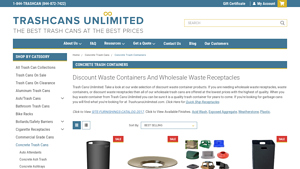
Domain: trashcansunlimited.com
Registered: 2006 (19 years)
Introduction: Concrete Trash Containers are durable and designed for heavy-duty use. They are suitable for outdoor environments and can withstand harsh weather conditions. These containers are often used in public spaces, parks, and commercial areas. They come in various styles and sizes to meet different waste management needs. Concrete trash cans can also be customized with logos or designs to enhance brandin…
5. Reiss Hardware – Wholesale Trash Cans
Domain: reisshardware.com
Registered: 1997 (28 years)
Introduction: Wholesale Trash Cans available from manufacturers such as Toter, LLC, Tuff Stuff Janitorial, and United Solutions. Customers must register or log in to see prices and promotions.
Understanding wholesale trash bins Types and Variations
| Type Name | Key Distinguishing Features | Primary B2B Applications | Brief Pros & Cons for Buyers |
|---|---|---|---|
| Indoor Trash Bins | Typically smaller, designed for indoor use, often with decorative elements | Offices, Schools, Restaurants | Pros: Aesthetic appeal, varied designs. Cons: Limited capacity for high waste environments. |
| Outdoor Trash Bins | Larger, weather-resistant materials, often with lids | Parks, Streets, Commercial Exteriors | Pros: Durable, weatherproof. Cons: Higher initial cost, may require more maintenance. |
| Recycling Bins | Color-coded, labeled for different materials | Educational Institutions, Offices | Pros: Promotes sustainability, compliance with regulations. Cons: May confuse users if not clearly marked. |
| Industrial Waste Containers | Heavy-duty construction, large capacity, often wheeled | Factories, Construction Sites | Pros: High capacity, robust design for heavy waste. Cons: Requires significant space, can be costly. |
| Compost Bins | Designed for organic waste, often with aeration features | Restaurants, Schools, Urban Gardens | Pros: Supports eco-friendly practices, reduces landfill waste. Cons: Requires user education for proper use. |
What are the Characteristics of Indoor Trash Bins for B2B Buyers?
Indoor trash bins are typically smaller and designed to blend seamlessly into office and institutional environments. They come in various styles and colors, allowing businesses to match their aesthetic. These bins are ideal for locations with moderate waste generation, such as classrooms and break rooms. When purchasing, businesses should consider the bin’s capacity, design, and whether it aligns with their branding. Additionally, bulk purchasing options can provide significant cost savings.
How Do Outdoor Trash Bins Differ in Functionality?
Outdoor trash bins are built to withstand the elements, featuring durable materials and often equipped with lids to deter wildlife. Their larger size accommodates higher waste volumes typical in public spaces like parks and streets. B2B buyers should evaluate factors such as weather resistance, ease of maintenance, and security features to prevent vandalism. Investing in quality outdoor bins can enhance community cleanliness and safety while also reflecting positively on the business’s commitment to the environment.
What Advantages Do Recycling Bins Offer for B2B Applications?
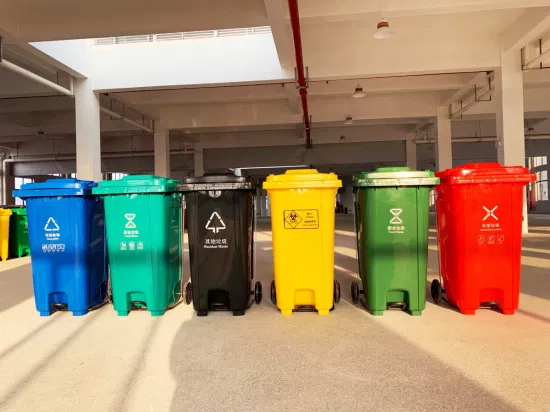
Recycling bins are specifically designed to facilitate waste separation and promote recycling efforts. They are often color-coded and labeled to guide users in proper disposal practices, making them essential in educational institutions and corporate offices. B2B buyers should consider the bin’s visibility, ease of use, and compliance with local recycling regulations when making a purchase. While they support sustainability initiatives, clear labeling is crucial to prevent contamination of recyclable materials.
Why Are Industrial Waste Containers Essential for Heavy-Duty Applications?
Industrial waste containers are built for heavy-duty use, featuring robust construction and large capacities to handle significant waste volumes in factories and construction sites. These containers often come with wheels for mobility, making them suitable for environments where waste is generated in various locations. B2B buyers should assess the container’s durability, storage requirements, and potential for custom branding. While they may require a higher investment, their longevity and capacity can lead to reduced waste management costs over time.
How Do Compost Bins Support Eco-Friendly Business Practices?
Compost bins are designed for organic waste, featuring aeration systems that facilitate decomposition. They are increasingly popular among restaurants, schools, and urban gardens as part of sustainable waste management strategies. When purchasing compost bins, B2B buyers should consider the bin’s capacity, ease of use, and the level of education required for staff to utilize them effectively. While they promote eco-friendly practices, proper training is essential to maximize their effectiveness and reduce contamination risks.
Key Industrial Applications of wholesale trash bins
| Industry/Sector | Specific Application of wholesale trash bins | Value/Benefit for the Business | Key Sourcing Considerations for this Application |
|---|---|---|---|
| Education | Campus Waste Management | Enhances cleanliness and promotes recycling efforts | Durability, variety of sizes, compliance with local regulations |
| Healthcare | Hospital Waste Disposal | Ensures sanitary conditions, reduces infection risks | Compliance with health standards, easy-to-clean materials, secure lids |
| Hospitality | Hotel and Restaurant Waste Management | Improves guest experience and maintains hygiene | Aesthetic design, capacity for high traffic, odor control features |
| Retail | Shopping Mall Waste Collection | Streamlines waste disposal, enhances customer satisfaction | Versatility in design, strength for heavy use, bulk pricing options |
| Construction & Industrial | Job Site Waste Management | Promotes safety and organization, minimizes environmental impact | Sturdiness, mobility features, capacity for construction debris |
How Are Wholesale Trash Bins Utilized in the Education Sector?
In educational institutions, wholesale trash bins are essential for maintaining a clean and organized environment. They are strategically placed in classrooms, cafeterias, and common areas to facilitate waste disposal and recycling. By providing clearly labeled bins for different waste types, schools can promote recycling initiatives and educate students about sustainability. For international buyers, it’s crucial to consider compliance with local waste management regulations and the durability of bins to withstand heavy usage.
What Role Do Trash Bins Play in Healthcare Facilities?
Healthcare facilities require specialized trash bins to handle various types of waste, including general refuse and biohazard materials. Wholesale trash bins in hospitals are designed to meet stringent health and safety standards, ensuring that waste is disposed of properly to minimize infection risks. Buyers from the healthcare sector should prioritize bins that are easy to clean, feature secure lids, and comply with local health regulations. This not only protects staff and patients but also enhances the facility’s overall sanitation efforts.
How Do Hospitality Businesses Benefit from Wholesale Trash Bins?
In the hospitality industry, trash bins are pivotal in maintaining cleanliness and enhancing guest experiences. Hotels and restaurants utilize aesthetically pleasing and functional bins to manage waste efficiently. This includes bins that can handle high volumes, such as those found in dining areas or lobbies. Buyers in this sector should focus on features like odor control and design that complements the establishment’s decor. Investing in high-quality wholesale trash bins can significantly elevate a venue’s image and customer satisfaction.
Why Are Trash Bins Important in Retail Environments?
In retail settings, such as shopping malls, wholesale trash bins play a vital role in waste management. They are crucial for keeping the shopping environment clean and pleasant for customers, directly impacting their shopping experience. Retailers should look for bins that are versatile in design, durable enough to withstand heavy use, and available at bulk pricing to accommodate the high foot traffic typical in these venues. Efficient waste disposal not only enhances customer satisfaction but also helps retailers maintain their brand reputation.
How Do Construction Sites Use Wholesale Trash Bins?
Construction sites generate significant waste, making the use of wholesale trash bins essential for effective waste management. These bins help organize debris, promote safety by preventing trip hazards, and ensure compliance with environmental regulations. When sourcing bins for construction, buyers should prioritize sturdiness, mobility features for easy transport, and capacity to handle heavy materials. Proper waste disposal practices at construction sites minimize environmental impact and can lead to cost savings through recycling initiatives.
A stock image related to wholesale trash bins.
3 Common User Pain Points for ‘wholesale trash bins’ & Their Solutions
Scenario 1: Inconsistent Quality Across Suppliers
The Problem: B2B buyers often face challenges in ensuring the quality of wholesale trash bins, especially when sourcing from multiple suppliers. Inconsistent product quality can lead to frustration, as bins may not withstand heavy use or may arrive with defects, resulting in increased replacement costs and wasted time. This issue is particularly pronounced in industries such as hospitality and education, where the appearance and functionality of waste receptacles are critical to maintaining a clean and professional environment.
The Solution: To mitigate quality inconsistency, B2B buyers should establish strong relationships with trusted suppliers who have a proven track record in the industry. Conduct thorough research and request samples before committing to large orders. Buyers should also inquire about the materials used, manufacturing processes, and warranty options. When placing orders, specifying detailed quality standards and requesting certifications can further ensure that the products meet necessary criteria. Additionally, consider leveraging bulk purchasing agreements that often come with quality guarantees and dedicated customer service support.
Scenario 2: Difficulties in Selecting the Right Size and Type
The Problem: With a wide variety of trash bins available, selecting the right size and type for specific environments can be overwhelming for B2B buyers. Choosing the wrong size can lead to either overflowing bins or wasted space, both of which can negatively impact waste management practices. This is particularly challenging for businesses operating in diverse settings, such as schools or healthcare facilities, where different areas may require different types of waste receptacles.
The Solution: To make informed decisions, buyers should conduct a thorough needs assessment of their facilities. This involves evaluating the expected waste volume in various locations and understanding the type of waste generated (e.g., recyclables, compost, or general waste). Utilizing space planning tools can help visualize where bins will be placed, ensuring optimal size and style selection. Consulting with waste management experts or suppliers can provide valuable insights into best practices and help buyers choose bins that are not only functional but also compliant with local waste disposal regulations.
Scenario 3: Challenges with Bulk Ordering and Logistics
The Problem: Bulk ordering of wholesale trash bins can present logistical challenges, including long lead times, shipping costs, and storage issues. For B2B buyers, particularly those operating across different regions like Africa or South America, coordinating the delivery of large quantities can be daunting. Delays in receiving bins can disrupt operations, especially in sectors where timely waste disposal is critical.
The Solution: To address these logistical challenges, buyers should develop a strategic ordering plan that includes evaluating the delivery capabilities of suppliers. Opting for suppliers with robust logistics networks can help ensure timely delivery and reduce shipping costs. Additionally, it may be beneficial to establish a just-in-time inventory system, allowing businesses to order bins based on actual usage rather than estimates. This approach not only minimizes storage requirements but also helps maintain cash flow. Lastly, buyers should consider working with suppliers who offer flexible shipping options and transparent tracking systems, ensuring they are always informed about the status of their orders.
Strategic Material Selection Guide for wholesale trash bins
When selecting materials for wholesale trash bins, it’s crucial for international B2B buyers to understand the properties, advantages, and limitations of different materials. This knowledge will help in making informed purchasing decisions that align with specific application needs and regional compliance standards.
What Are the Key Properties of Common Materials Used in Wholesale Trash Bins?
1. Plastic
Plastic is one of the most common materials used for trash bins, particularly in indoor settings. Key properties include lightweight construction, resistance to corrosion, and ease of cleaning. Plastic bins typically have a temperature tolerance ranging from -30°C to 60°C, making them suitable for a variety of environments.
Pros:
– Cost-effective and lightweight, reducing shipping costs.
– Available in various colors and designs, enhancing aesthetic appeal.
– Resistant to rust and corrosion, ensuring longevity in humid environments.
Cons:
– Less durable than metal options, particularly in high-traffic areas.
– Can become brittle over time, especially under extreme temperatures.
– Limited recycling options compared to metals.
Impact on Application:
Plastic bins are ideal for general waste in offices, schools, and homes. However, they may not be suitable for industrial applications where heavy-duty performance is required.
Considerations for International Buyers:
In regions like Africa and South America, where waste management practices may vary, plastic bins must comply with local environmental regulations regarding plastic use and disposal.
2. Steel
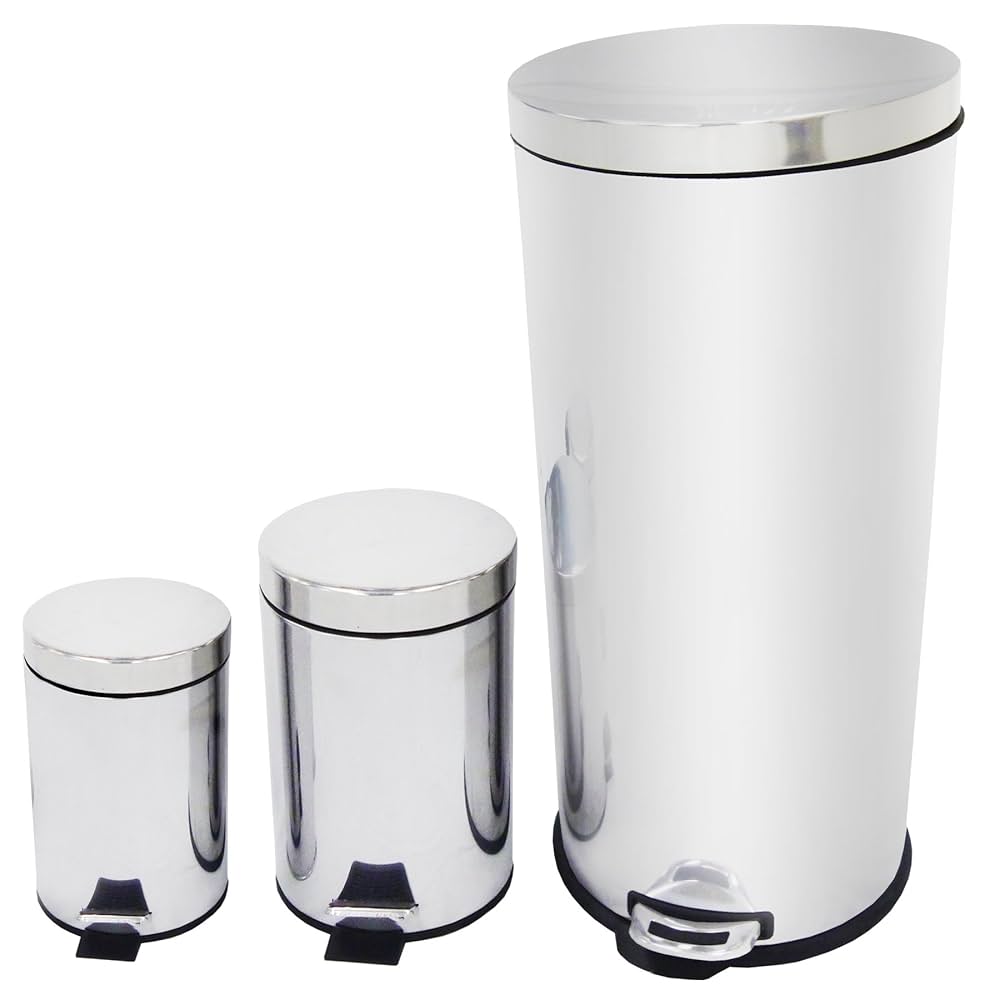
Steel trash bins are favored for their durability and strength. They can withstand high pressures and are resistant to corrosion when treated with proper coatings. Steel bins can handle a temperature range from -40°C to 100°C, making them versatile for various applications.
Pros:
– Extremely durable and resistant to impact, ideal for high-traffic areas.
– Can be powder-coated for enhanced aesthetics and corrosion resistance.
– Suitable for both indoor and outdoor use.
Cons:
– Heavier than plastic, which can increase shipping costs.
– More expensive than plastic options.
– Requires maintenance to prevent rusting if the coating is damaged.
Impact on Application:
Steel bins are suitable for industrial and commercial settings, particularly where heavy waste is generated. They can also be used for recycling purposes when properly labeled.
Considerations for International Buyers:
European buyers may prefer bins that comply with DIN standards, while Middle Eastern buyers should consider heat resistance due to high temperatures.
3. Aluminum
Aluminum is a lightweight yet strong material that offers excellent corrosion resistance. It can withstand a wide range of temperatures, making it suitable for both indoor and outdoor applications.
Pros:
– Lightweight, facilitating easier handling and transportation.
– Naturally resistant to corrosion, reducing maintenance needs.
– Aesthetic appeal due to its sleek appearance.
Cons:
– More expensive than plastic and some steel options.
– Less impact-resistant than steel, which may lead to dents.
– Limited recycling options compared to steel.
Impact on Application:
Aluminum bins are often used in upscale environments such as hotels and restaurants, where aesthetics are important. They are also suitable for outdoor use due to their corrosion resistance.
Considerations for International Buyers:
Buyers in Europe and North America may have specific recycling standards for aluminum, while buyers in developing regions should assess the practicality of aluminum in local waste management systems.
4. Composite Materials
Composite materials, often a blend of plastic and metal, offer unique advantages. They are designed to combine the best properties of both materials, providing strength and durability.
Pros:
– Lightweight yet durable, making them easy to handle.
– Resistant to corrosion and UV damage, suitable for outdoor use.
– Can be designed to meet specific aesthetic requirements.
Cons:
– Can be more expensive than single-material options.
– Manufacturing processes can be complex, affecting lead times.
– Limited availability in some regions.
Impact on Application:
Composite bins are versatile and can be used in various settings, from commercial to residential. They are particularly effective in environments where both aesthetics and durability are required.
Considerations for International Buyers:
Buyers should verify that composite materials meet local regulations and standards, particularly in regions with stringent environmental laws.
Summary Table of Material Selection for Wholesale Trash Bins
| Material | Typical Use Case for wholesale trash bins | Key Advantage | Key Disadvantage/Limitation | Relative Cost (Low/Med/High) |
|---|---|---|---|---|
| Plastic | Indoor waste bins for offices and schools | Lightweight and cost-effective | Less durable, can become brittle | Low |
| Steel | Industrial and commercial applications | Extremely durable and impact-resistant | Heavier and more expensive | High |
| Aluminum | Upscale environments like hotels | Corrosion-resistant and aesthetic | More expensive and less impact-resistant | Med |
| Composite | Versatile applications in various settings | Combines best properties of materials | More complex manufacturing | Med |
This strategic material selection guide serves as a valuable resource for international B2B buyers, enabling them to make informed decisions based on their specific needs and regional considerations.
A stock image related to wholesale trash bins.
In-depth Look: Manufacturing Processes and Quality Assurance for wholesale trash bins
What Are the Key Stages in the Manufacturing Process of Wholesale Trash Bins?
The manufacturing process of wholesale trash bins involves several critical stages, each essential for producing high-quality products that meet the specific needs of B2B buyers. Understanding these stages can help buyers make informed decisions when selecting suppliers.
Material Preparation: What Materials Are Used in Trash Bin Manufacturing?
The first step in manufacturing trash bins is the preparation of raw materials. Common materials include high-density polyethylene (HDPE), steel, and aluminum, each chosen for their durability and resistance to environmental factors. For instance, HDPE is often selected for its lightweight properties and resistance to corrosion, making it ideal for outdoor bins. Steel and aluminum, on the other hand, are favored for their strength and ability to withstand heavy usage.
During this stage, materials undergo quality checks to ensure they meet specified standards. This includes verifying the thickness of metals and the density of plastics, which can significantly impact the bin’s longevity and performance.
How Are Trash Bins Formed?
The forming stage involves shaping the prepared materials into the desired bin design. Techniques vary depending on the material:
-
Injection Molding: Common for plastic bins, this technique involves injecting molten plastic into a mold to create the bin’s shape. It allows for high precision and the ability to create complex designs.
-
Metal Stamping: For metal bins, stamping machines cut and form sheets of metal into the required shape. This method is efficient for mass production and ensures uniformity in design.
-
Rotational Molding: This technique is often used for larger plastic bins. It involves heating the material in a mold while rotating it, ensuring an even distribution and a seamless finish.
What Does the Assembly Process Entail?
Following the forming stage, the bins are assembled. This may involve attaching handles, lids, or other components. In many cases, automated assembly lines are used to enhance efficiency and consistency. Quality control checkpoints are integrated into this stage to catch any defects before the products proceed to finishing.
What Quality Assurance Processes Are Essential for Wholesale Trash Bins?
Quality assurance (QA) is crucial in the manufacturing of wholesale trash bins, ensuring that products meet international standards and customer expectations.
Which International Standards Should B2B Buyers Be Aware Of?
International standards such as ISO 9001 play a significant role in quality assurance. ISO 9001 establishes criteria for a quality management system, ensuring that manufacturers consistently produce products that meet customer and regulatory requirements. For B2B buyers, it is essential to verify that suppliers are ISO certified, as this indicates a commitment to quality and continuous improvement.
Additionally, specific industry standards may apply, such as CE marking for products sold in the European market, which indicates compliance with health, safety, and environmental protection standards.
What Are the Key Quality Control Checkpoints?
Quality control involves several checkpoints throughout the manufacturing process:
-
Incoming Quality Control (IQC): This checkpoint assesses raw materials upon arrival to ensure they meet quality standards. Any subpar materials can significantly affect the final product’s integrity.
-
In-Process Quality Control (IPQC): Continuous monitoring during production helps identify defects early. This may involve inspecting dimensions, weight, and any assembly components.
-
Final Quality Control (FQC): Before products are packaged and shipped, a final inspection is conducted. This ensures that the bins meet all specifications and are free from defects.
How Can B2B Buyers Verify Supplier Quality Control Practices?
B2B buyers should adopt a proactive approach to verify the quality control practices of potential suppliers. Here are some strategies:
-
Conduct Supplier Audits: Regular audits can help assess a supplier’s adherence to quality standards. Buyers should request access to audit reports and corrective action plans if any issues are identified.
-
Request Quality Assurance Documentation: Suppliers should provide documentation that outlines their quality control processes, including any certifications they hold.
-
Utilize Third-Party Inspection Services: Engaging third-party inspectors can provide an unbiased evaluation of the manufacturing processes and the quality of the finished products. This is particularly valuable for international transactions, where buyers may not have direct access to manufacturing facilities.
What Common Testing Methods Are Used for Quality Assurance?
Several testing methods are commonly employed to ensure the durability and functionality of wholesale trash bins:
-
Stress Testing: This evaluates how much weight a bin can hold without deforming or breaking. It is crucial for bins designed for heavy usage.
-
Weather Resistance Testing: Particularly for outdoor bins, manufacturers may expose products to various weather conditions to assess their durability against UV rays, moisture, and extreme temperatures.
-
Leak Testing: For bins that will be used for liquid waste, leak testing ensures that they can contain fluids without any leakage.
What Unique Quality Control Considerations Exist for International B2B Buyers?
International buyers must be aware of various nuances in quality control that can affect their purchasing decisions:
-
Compliance with Local Regulations: Different countries have distinct regulations regarding waste management and product safety. Buyers should ensure that the bins comply with local laws in their respective markets.
-
Cultural Differences in Quality Expectations: Buyers from regions such as Africa, South America, the Middle East, and Europe may have varying standards and expectations regarding product quality. Engaging in open communication with suppliers can help clarify these differences.
-
Understanding Supply Chain Risks: International shipping can introduce risks such as damage during transit. Buyers should discuss packaging and handling processes with suppliers to mitigate these risks.
In conclusion, understanding the manufacturing processes and quality assurance practices for wholesale trash bins is crucial for B2B buyers. By being informed about these aspects, buyers can make better decisions, ensuring they source high-quality products that meet their operational needs.
Practical Sourcing Guide: A Step-by-Step Checklist for ‘wholesale trash bins’
When sourcing wholesale trash bins, it’s essential to follow a structured approach to ensure you select the right products and suppliers for your business needs. This guide provides a step-by-step checklist that will help B2B buyers navigate the procurement process effectively.
Step 1: Define Your Technical Specifications
Before you begin sourcing, clearly outline the specifications of the trash bins you need. Consider factors such as size, material (plastic vs. metal), design, and intended use (indoor vs. outdoor). This clarity will help you communicate effectively with suppliers and ensure you receive products that meet your requirements.
- Capacity: Determine the volume needed based on your operational context.
- Material Requirements: Decide if you need durable materials for outdoor use or aesthetic designs for indoor settings.
Step 2: Identify Potential Suppliers
Research and compile a list of suppliers that specialize in wholesale trash bins. Use online directories, trade shows, and industry publications to find reputable vendors. This initial list will serve as a starting point for deeper evaluations.
- Local vs. International: Consider whether you want to source locally for faster shipping or internationally for better pricing.
- Supplier Reputation: Look for established suppliers with positive reviews and a history of reliability.
Step 3: Evaluate Potential Suppliers
Before committing, it’s crucial to vet suppliers thoroughly. Request company profiles, case studies, and references from buyers in a similar industry or region. This step not only builds confidence in your choice but also helps you understand the supplier’s capabilities and service levels.
- Certifications: Verify that suppliers adhere to relevant industry standards and certifications, which can indicate product quality.
- Experience: Assess the supplier’s experience in your specific market or industry.
Step 4: Request Samples
Once you have shortlisted potential suppliers, request samples of the trash bins you are considering. This allows you to evaluate the quality, durability, and design firsthand. Testing samples can prevent potential issues after bulk orders are placed.
- Quality Assessment: Inspect the materials and construction of the samples.
- Functional Testing: Ensure that the bins meet your practical needs, such as ease of use and maintenance.
Step 5: Compare Pricing and Terms
Once you have evaluated samples, compare pricing structures and payment terms among suppliers. Look for volume discounts, shipping costs, and payment flexibility. This comparison can significantly impact your overall budget and cash flow.
- Bulk Discounts: Inquire about discounts for larger orders.
- Payment Terms: Consider suppliers that offer favorable payment terms, such as net 30 or 60 days, to help manage your cash flow.
Step 6: Negotiate Contracts
After selecting a supplier, engage in contract negotiations. Ensure that all terms, including pricing, delivery schedules, and return policies, are clearly outlined and agreed upon. A well-defined contract protects both parties and minimizes misunderstandings.
- Delivery Timelines: Confirm the expected delivery dates and any penalties for delays.
- Return Policy: Understand the process for returning defective or unsatisfactory products.
Step 7: Establish a Relationship for Future Orders
Once your first order is complete, focus on building a long-term relationship with your supplier. Regular communication can lead to better service, priority in stock availability, and potential discounts on future orders.
- Feedback Loop: Provide feedback on the products and service to help the supplier improve.
- Reorder Process: Discuss streamlined processes for future orders to save time and effort.
By following this checklist, you can ensure a strategic and effective approach to sourcing wholesale trash bins that meets your business needs.
Comprehensive Cost and Pricing Analysis for wholesale trash bins Sourcing
What Are the Key Cost Components in Sourcing Wholesale Trash Bins?
When sourcing wholesale trash bins, understanding the cost structure is vital for B2B buyers. The primary cost components include:
-
Materials: The choice of materials significantly impacts cost. Common materials include plastic, steel, and aluminum, each with varying prices based on quality and sourcing location. For instance, high-density polyethylene (HDPE) is often used for outdoor bins due to its durability, while stainless steel may be preferred for indoor decorative bins.
-
Labor: Labor costs can vary depending on the manufacturing location. Countries with lower labor costs may offer more competitive pricing, but this can also impact quality and consistency.
-
Manufacturing Overhead: This encompasses all indirect costs associated with production, including utilities, rent, and equipment maintenance. Efficient manufacturing processes can help reduce overhead costs, ultimately benefiting the buyer.
-
Tooling: Customization of bins often requires specific tooling, which can add to initial costs. However, investing in the right tooling can yield better long-term returns through enhanced product quality and reduced defect rates.
-
Quality Control (QC): Implementing rigorous QC processes ensures the bins meet required standards. While this incurs additional costs, it reduces the risk of returns and enhances customer satisfaction.
-
Logistics: Shipping costs can vary dramatically based on the distance from the supplier and the mode of transportation. International buyers should consider freight costs, insurance, and potential tariffs when calculating total expenses.
-
Margin: Suppliers typically apply a margin to cover their costs and ensure profitability. This margin may vary based on the supplier’s market position and the volume of the order.
How Do Price Influencers Impact Wholesale Trash Bin Costs?
Several factors influence the pricing of wholesale trash bins, including:
-
Volume and Minimum Order Quantity (MOQ): Higher order volumes generally lead to lower per-unit costs due to economies of scale. Buyers should negotiate MOQs to optimize pricing.
-
Specifications and Customization: Custom features, such as branding or specific dimensions, can raise costs. Buyers should balance customization needs against budget constraints.
-
Material Quality and Certifications: Bins that meet specific environmental or safety standards may cost more upfront but can save money in the long run through durability and compliance.
-
Supplier Factors: The reputation and reliability of the supplier can affect pricing. Established suppliers may charge more but offer better quality assurance and customer service.
-
Incoterms: Understanding Incoterms is crucial for international buyers. They define responsibilities for shipping, insurance, and tariffs, which can significantly affect total costs.
What Are the Best Negotiation Tips for Sourcing Wholesale Trash Bins?
For B2B buyers, particularly those from Africa, South America, the Middle East, and Europe, effective negotiation can lead to significant savings:
-
Research Market Prices: Familiarize yourself with current market rates for different types of trash bins. This knowledge empowers you to negotiate from a position of strength.
-
Leverage Volume Discounts: If planning to purchase in bulk, communicate this to suppliers upfront. Bulk orders can often unlock substantial discounts.
-
Discuss Payment Terms: Negotiate favorable payment terms, such as extended payment periods or tax exemptions, to improve cash flow.
-
Evaluate Total Cost of Ownership (TCO): Assess not just the purchase price but also maintenance, durability, and disposal costs over the product’s lifespan. This comprehensive view aids in making informed decisions.
-
Be Open to Alternatives: If a supplier cannot meet your pricing expectations, consider alternative products or materials that still meet your needs without compromising quality.
Why Is It Important for International Buyers to Understand Pricing Nuances?
International buyers face unique challenges, including currency fluctuations, import tariffs, and varying regulations. Understanding these nuances is essential to avoid unexpected costs:
-
Currency Risk: Fluctuations in exchange rates can affect the final cost of products. It’s advisable to lock in prices when favorable exchange rates are available.
-
Tariffs and Duties: Research applicable tariffs for importing trash bins into your country. This knowledge can help you calculate the true cost of sourcing from abroad.
-
Regulatory Compliance: Ensure that products meet local regulations regarding waste management and recycling. Non-compliance can result in fines and additional costs.
In summary, a comprehensive understanding of the cost structure, pricing influencers, and negotiation strategies will empower B2B buyers to make informed decisions when sourcing wholesale trash bins.
Alternatives Analysis: Comparing wholesale trash bins With Other Solutions
In the quest for effective waste management solutions, businesses often explore various alternatives to wholesale trash bins. Understanding these alternatives can help international B2B buyers make informed decisions that align with their operational needs, budget constraints, and environmental goals. Below, we compare wholesale trash bins with two viable alternatives: waste compaction systems and biodegradable waste bags.
| Comparison Aspect | Wholesale Trash Bins | Waste Compaction Systems | Biodegradable Waste Bags |
|---|---|---|---|
| Performance | Suitable for standard waste disposal in various settings. | Reduces waste volume significantly, ideal for high-traffic areas. | Designed for organic waste, decomposes in composting environments. |
| Cost | Generally low-cost per unit, bulk discounts available. | Higher initial investment, but cost-saving on waste disposal fees over time. | Affordable, especially for smaller businesses; pricing may vary based on quantity and type. |
| Ease of Implementation | Easy to install and use, requiring minimal training. | Requires professional installation and training for optimal use. | Simple to use, but requires education on proper disposal methods. |
| Maintenance | Low maintenance; occasional cleaning needed. | Higher maintenance due to mechanical components; regular servicing is necessary. | Minimal maintenance; composting requires monitoring conditions. |
| Best Use Case | Ideal for offices, schools, and public spaces. | Best suited for retail environments, large events, or waste-intensive operations. | Excellent for restaurants, cafés, and areas focusing on sustainable practices. |
What Are the Advantages and Disadvantages of Waste Compaction Systems?
Waste compaction systems are designed to compress waste, significantly reducing its volume. This technology is particularly advantageous for businesses that generate large amounts of waste, as it minimizes the frequency of waste pickups and can lower disposal costs. However, the initial investment is substantial, and the systems require regular maintenance and skilled operation, which may not be feasible for all businesses.
How Do Biodegradable Waste Bags Enhance Waste Management Practices?
Biodegradable waste bags offer an eco-friendly alternative for waste disposal, particularly for organic materials. They break down naturally in composting environments, contributing to sustainability initiatives. These bags are generally affordable and easy to implement, making them attractive for small businesses. The main drawback is that they require proper disposal in composting facilities, which may not be available in all areas, limiting their effectiveness.
How Can B2B Buyers Choose the Right Waste Management Solution?
When selecting the right waste management solution, B2B buyers should consider their specific operational needs, waste volume, and budget. Wholesale trash bins are an excellent choice for standard waste disposal, while waste compaction systems may be more appropriate for high-waste environments that can justify the initial investment. Meanwhile, biodegradable waste bags can be a cost-effective and environmentally friendly option for businesses focused on sustainability. Ultimately, understanding the unique characteristics and requirements of each solution will empower buyers to make informed choices that enhance their waste management strategies.
Essential Technical Properties and Trade Terminology for wholesale trash bins
What Are the Key Technical Properties of Wholesale Trash Bins?
When selecting wholesale trash bins, understanding the technical properties is crucial for ensuring the right fit for your business needs. Here are some critical specifications to consider:
-
Material Grade: Trash bins are typically made from materials such as plastic, steel, or aluminum. The material grade affects durability, weight capacity, and resistance to weather conditions. For example, steel bins offer higher durability and are suitable for outdoor use, while plastic bins are lighter and may be more cost-effective for indoor settings.
-
Capacity: The capacity of a trash bin is measured in gallons or liters, indicating how much waste it can hold. Selecting the appropriate capacity is essential for ensuring that the bin meets the waste management needs of your operation. For instance, larger bins may be required for busy commercial environments, while smaller bins may suffice for offices.
-
Lid Type: The type of lid (e.g., lift-off, swing-top, or funnel) influences ease of use and waste containment. For instance, swing-top lids can help minimize odors and prevent pests, making them ideal for food service environments. Understanding the lid type can assist buyers in selecting bins that enhance cleanliness and efficiency.
-
Finish and Coating: The finish (e.g., powder-coated, galvanized) impacts the bin’s resistance to rust and corrosion, especially in outdoor applications. A powder-coated finish can provide aesthetic appeal and long-lasting protection, which is particularly important for maintaining the appearance of trash bins in public areas.
-
Shape and Design: The shape of trash bins (round, square, or rectangular) can influence their space efficiency and aesthetic integration into various environments. For example, half-round bins are designed to fit against walls, saving space in crowded areas. Understanding design options helps buyers choose bins that align with their spatial and aesthetic requirements.
-
Recyclability: As sustainability becomes increasingly important, the recyclability of materials used in trash bins is a vital consideration. Selecting bins made from recyclable materials can enhance a company’s environmental profile and meet regulatory requirements in various regions.
What Are Common Trade Terms in the Wholesale Trash Bin Industry?
Navigating the wholesale trash bin market also requires familiarity with specific trade terminology. Here are some key terms that buyers should understand:
-
OEM (Original Equipment Manufacturer): This term refers to a company that produces parts and equipment that may be marketed by another manufacturer. Understanding OEM relationships can help buyers identify reliable suppliers and ensure product quality.
-
MOQ (Minimum Order Quantity): MOQ is the minimum number of units a supplier is willing to sell in a single order. This is a crucial consideration for businesses to ensure that they can meet their supply needs without incurring excess costs or inventory.
-
RFQ (Request for Quotation): An RFQ is a document used by buyers to solicit price offers from suppliers for specific products. Submitting an RFQ can help buyers gather competitive pricing and terms from multiple vendors, ensuring they make informed purchasing decisions.
-
Incoterms (International Commercial Terms): These are standardized trade terms that define the responsibilities of buyers and sellers regarding shipping, insurance, and tariffs. Familiarity with Incoterms is essential for international buyers to understand their obligations and rights during the transaction process.
-
Lead Time: This refers to the amount of time it takes from placing an order to receiving the goods. Understanding lead times is vital for planning inventory and ensuring that operations run smoothly, particularly in industries with strict waste management schedules.
-
Bulk Discounts: Many suppliers offer price reductions for large orders, referred to as bulk discounts. Knowing how to negotiate for bulk pricing can significantly reduce costs, making it a valuable strategy for B2B buyers looking to optimize their procurement budgets.
By understanding these technical properties and trade terms, international B2B buyers can make more informed decisions when sourcing wholesale trash bins, ultimately enhancing their waste management strategies and operational efficiency.
Navigating Market Dynamics and Sourcing Trends in the wholesale trash bins Sector
What Are the Key Market Dynamics and Trends in the Wholesale Trash Bin Sector?
The wholesale trash bin sector is witnessing significant growth driven by several global factors. Increasing urbanization and the expansion of commercial spaces in regions such as Africa, South America, the Middle East, and Europe have led to a higher demand for efficient waste management solutions. Furthermore, the push for improved hygiene standards in public and private facilities has accelerated the need for diverse trash receptacles. Technological advancements in manufacturing processes, such as the use of automated systems and smart waste bins equipped with sensors, are emerging as key trends. These innovations not only enhance operational efficiency but also provide real-time data for better waste management practices.
International B2B buyers are increasingly focusing on suppliers that offer competitive pricing, bulk discounts, and streamlined purchasing platforms. Companies that provide dedicated customer service, including account managers for personalized support, are becoming more favorable. Additionally, the integration of e-commerce solutions with advanced logistics capabilities is reshaping sourcing strategies, allowing businesses to optimize their supply chains and reduce lead times.
How Is Sustainability Influencing Sourcing Decisions in the Wholesale Trash Bin Market?
Sustainability is a pivotal consideration for B2B buyers in the wholesale trash bin market. As businesses become more aware of their environmental impact, there is a growing demand for products that align with sustainable practices. This includes sourcing bins made from recycled materials or those that are recyclable themselves. Ethical supply chains are gaining traction, with buyers preferring suppliers that adhere to social and environmental standards.
Certifications such as ISO 14001 (Environmental Management) and products made from eco-friendly materials like biodegradable plastics or sustainably sourced metals are increasingly sought after. These certifications not only enhance a company’s reputation but also meet the growing regulatory requirements in many regions. Companies that prioritize sustainability in their product offerings are likely to attract a more environmentally conscious customer base, leading to long-term business relationships.
What Historical Factors Have Shaped the Current Wholesale Trash Bin Market?
The evolution of the wholesale trash bin market can be traced back to the increasing awareness of waste management’s importance in urban planning and public health. Initially, trash bins were basic containers with minimal design considerations, primarily focusing on functionality. Over time, as cities expanded and waste management became a critical public service, the industry began to innovate.
The introduction of various materials, such as metal and durable plastics, allowed for more robust and aesthetically pleasing designs. Furthermore, with the rise of environmental consciousness in the late 20th century, manufacturers began incorporating sustainable materials and practices into their production processes. This historical shift towards sustainability has paved the way for today’s market, where buyers not only seek efficiency and functionality but also prioritize environmental responsibility in their purchasing decisions.
Overall, understanding these dynamics, trends, and historical contexts is essential for international B2B buyers looking to navigate the wholesale trash bin sector effectively.
Frequently Asked Questions (FAQs) for B2B Buyers of wholesale trash bins
-
How do I choose the right wholesale trash bins for my business?
Selecting the appropriate wholesale trash bins depends on various factors such as the type of waste generated, the space available, and the intended use (indoor or outdoor). Consider the capacity, material (metal vs. plastic), and design that aligns with your organization’s aesthetic and functional needs. Additionally, evaluate compliance with local regulations regarding waste disposal and recycling. Engaging with suppliers who offer a range of options can help you make an informed choice that meets both practical and budgetary requirements. -
What are the benefits of purchasing wholesale trash bins in bulk?
Buying wholesale trash bins in bulk can lead to significant cost savings due to volume discounts. It also ensures consistent quality across all units and simplifies inventory management. Furthermore, purchasing in larger quantities can help streamline logistics and reduce shipping costs per unit. Many suppliers also offer customized solutions for bulk orders, allowing you to tailor bins to specific needs or branding requirements, enhancing your business’s operational efficiency. -
What is the typical minimum order quantity (MOQ) for wholesale trash bins?
The minimum order quantity for wholesale trash bins can vary widely depending on the supplier and the specific product. Typically, MOQs may range from as few as 10 units to several hundred. It’s advisable to communicate directly with suppliers to understand their policies and negotiate terms that fit your purchasing needs. If your order falls short of the MOQ, some suppliers may offer alternatives, such as combining different products to meet the threshold. -
How can I ensure the quality of wholesale trash bins before purchasing?
To ensure quality, it’s crucial to vet suppliers thoroughly. Look for manufacturers with industry certifications and positive customer reviews. Request samples to assess the materials and construction quality firsthand. Additionally, inquire about warranties or guarantees on the products to protect your investment. Establishing clear communication with suppliers about your quality expectations can also help ensure that the bins meet your standards. -
What payment terms should I expect when sourcing wholesale trash bins?
Payment terms can vary significantly among suppliers, but many offer flexible options such as net 30 or net 60 days, allowing you time to manage cash flow. Some may require a deposit upfront, particularly for large orders. It’s essential to clarify payment methods accepted, such as bank transfers or credit cards, and confirm any additional fees for international transactions. Negotiating favorable terms can help align with your financial strategy. -
How do I handle customs and logistics when importing trash bins internationally?
When importing trash bins, ensure you understand the customs regulations of your country. Work with a reliable freight forwarder who can help navigate shipping logistics and provide necessary documentation, such as bills of lading and import permits. Additionally, be aware of potential tariffs and duties that may apply. It’s prudent to plan for delivery timelines, as international shipping can take longer than domestic routes, and account for any additional costs associated with customs clearance. -
Can I customize wholesale trash bins with my branding?
Yes, many suppliers offer customization options for wholesale trash bins, including color, size, and branding elements like logos or decals. Customization can enhance brand visibility and create a cohesive look for your facilities. Discuss your specific requirements with suppliers early in the negotiation process to ensure they can meet your branding needs. Be prepared to provide artwork files and adhere to any minimum order quantities for customized products. -
What should I look for in a supplier of wholesale trash bins?
When selecting a supplier, consider their experience in the industry, product range, and reputation for reliability. Assess their customer service responsiveness and willingness to accommodate your needs, including customization and bulk orders. Additionally, inquire about their production capabilities and lead times to ensure they can meet your demand. Certifications and adherence to quality standards can also provide confidence in their products, ensuring you receive durable and compliant trash bins.
Important Disclaimer & Terms of Use
⚠️ Important Disclaimer
The information provided in this guide, including content regarding manufacturers, technical specifications, and market analysis, is for informational and educational purposes only. It does not constitute professional procurement advice, financial advice, or legal advice.
While we have made every effort to ensure the accuracy and timeliness of the information, we are not responsible for any errors, omissions, or outdated information. Market conditions, company details, and technical standards are subject to change.
B2B buyers must conduct their own independent and thorough due diligence before making any purchasing decisions. This includes contacting suppliers directly, verifying certifications, requesting samples, and seeking professional consultation. The risk of relying on any information in this guide is borne solely by the reader.
Strategic Sourcing Conclusion and Outlook for wholesale trash bins
How Can Strategic Sourcing Enhance Your Procurement of Wholesale Trash Bins?
In the dynamic landscape of waste management, strategic sourcing has emerged as a critical component for international B2B buyers seeking wholesale trash bins. By leveraging bulk purchasing, businesses can access substantial cost savings while ensuring the procurement of high-quality products tailored to specific needs. Engaging with reliable suppliers not only streamlines the purchasing process but also fosters long-term partnerships that can enhance product availability and adaptability to changing market demands.
Key takeaways for buyers include the importance of selecting suppliers who offer a diverse range of products, competitive pricing, and exceptional customer service. Additionally, understanding regional regulations and compliance standards is vital for effective sourcing, especially for buyers in Africa, South America, the Middle East, and Europe.
Looking ahead, the demand for sustainable and innovative waste management solutions is poised to grow. Now is the time for businesses to act—evaluate your sourcing strategies, explore new supplier relationships, and position your organization for success in an evolving market. By making informed decisions today, you can secure a competitive edge and contribute to a cleaner, more sustainable future.