
10 Leading Wholesale Jam Jars Manufacturers for Global Buyers
Introduction: Navigating the Global Market for wholesale jam jars
Navigating the complexities of sourcing wholesale jam jars can present significant challenges for international B2B buyers, especially those operating in diverse markets such as Africa, South America, the Middle East, and Europe. With a myriad of options available, from various sizes and materials to different closures and designs, making an informed choice is crucial for ensuring product quality and brand consistency. This guide delves deep into the global market for wholesale jam jars, providing a comprehensive overview of types, applications, supplier vetting processes, and cost considerations.
Understanding the nuances of jar specifications, such as neck sizes and material types, can empower businesses to select the perfect packaging solution that not only preserves the integrity of their products but also enhances their market appeal. Additionally, this guide aims to equip buyers with the knowledge needed to identify reliable suppliers, ensuring that their sourcing decisions are both efficient and cost-effective.
By the end of this guide, B2B buyers will be well-positioned to navigate the wholesale jam jar landscape, fostering successful partnerships and ultimately driving their business growth in an increasingly competitive marketplace. Whether you are looking to stock your shelves or create unique offerings for your customers, this resource will serve as a valuable tool in your procurement strategy.
Top 10 Wholesale Jam Jars Manufacturers & Suppliers List
1. Fillmore Container – Glass Jars
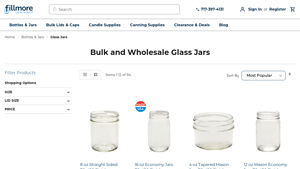
Domain: fillmorecontainer.com
Registered: 2002 (23 years)
Introduction: Glass jars available in various sizes including 1.25 oz, 2 oz, 4 oz, 8 oz, 9 oz, 12 oz, 16 oz, 24 oz, and more. Options include straight-sided jars, mason jars, economy jars, amber jars, and square jars. Prices range from $4.72 to $9.85 per case of 12 or 24, with bulk purchasing options available. All jars are made from 100% recyclable material and are suitable for storing homemade jams, syrups, p…
2. Jar Store – Jelly and Jam Jars
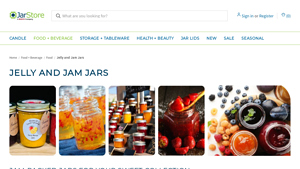
Domain: jarstore.com
Registered: 2004 (21 years)
Introduction: Jelly and Jam Jars available in various styles including Hexagon Jars, Straight Sided Jars, and Tureen Jars. Suitable for jam creators, beginners, and gift-giving. Designed to preserve creations and add charm. Brands include Anchor Hocking and Jar Store. Available volumes: 1.5 oz, 2 oz, 4 oz, 6.4 oz, 8 oz, 9 oz, 11 oz. Features include certified for food use, lid included, and made in the USA. Mat…
3. Bottlestore – Glass Jelly and Jam Jars
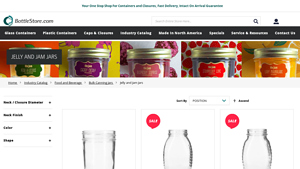
Domain: bottlestore.com
Registered: 1998 (27 years)
Introduction: Jelly and Jam Jars – Bulk Canning Jars – Food and Beverage – Industry Catalog Bottlestore.com. 8oz (240ml) Flint (Clear) Glass Jelly Jam Round Glass Jar – 70-450 Neck – $0.92 (PER PIECE) – 12 PIECES PER CARTON – $11.04 (Per Carton). 11.5oz (345ml / 1lb) Flint (Clear) Glass Wide-Mouth Honey Jar Oblong – 58-405 Neck – $1.05 – $1.21 (PER PIECE) – 24 PIECES PER CARTON – Special Price $25.20 Regular Pr…
4. Berlin Packaging – Glass Mini Jam Jars
Domain: berlinpackaging.com
Registered: 1997 (28 years)
Introduction: Glass Mini Jam Jars are ideal for sample or gift-sized portions of gourmet jelly, jam, and preserves. They feature a clear glass design that allows visibility of the product inside and space for labeling. Key features include:
– Caps sold separately
– Lug finish
– Autoclavable and suitable for sterilization
– BPA Non-Intent compliant
– Case packed in a re-shipper carton with cardboard dividers
– C…
5. Specialty Bottle – Clear Straight Sided Jars with Gold Lids
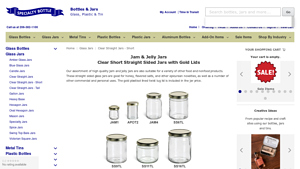
Domain: specialtybottle.com
Registered: 1998 (27 years)
Introduction: Clear Short Straight Sided Jars with Gold Lids. Suitable for jams, jellies, honey, flavored salts, and other food and non-food products. Includes gold plastisol lined twist lug lid. Available sizes: 1.5 oz, 2 oz, 4 oz, 6 oz, 9 oz, 11.5 oz, 16 oz. Prices vary by quantity.
6. Burch Bottle – 6oz Glass Paragon Jar
Domain: burchbottle.com
Registered: 1999 (26 years)
Introduction: Burch Bottle & Packaging offers a variety of glass jars suitable for wholesale purchase, including popular options like Straight-Sided jars for jams and jellies, and Mason jars for sauces and pickled vegetables. Key products include: 1) 6oz Glass Paragon Jar – 53mm T/O Finish (Case of 12) for $5.45, ideal for spices and thick spreads. 2) 4oz Mini Glass Mason Jar – 70/450 Finish (Case of 12) for $6…
7. Jam Jar Shop – Wholesale Glass Jars
Domain: jamjarshop.com
Registered: 2008 (17 years)
Introduction: Jam Jar Shop offers a wide range of wholesale glass jars, including round jam jars, hexagonal jars, square jars, honey jars, and Le Parfait jars. They also provide wedding favour jars, bulk pallets, and preserving equipment. The shop features pearl preserving jars, pearl starter kits, and various lids, caps, and pourers. Additionally, they sell bottles for sauces, oils, beers, ciders, and spirits,…
8. Jars Direct – High-Quality Glass Jars and Bottles
Domain: jarsdirect.com
Registered: 2012 (13 years)
Introduction: Jars Direct supplies a wide range of high-quality glass jars, bottles, and lids suitable for food and drink. They offer various types of jars including food jars, jam jars, chutney jars, pickling jars, honey jars, Le Parfait jars, storage jars, wedding favour jars, health & beauty jars, and candle jars. Their products are sourced from environmentally friendly manufacturers and are available for wh…
9. Container and Packaging – Glass Jars
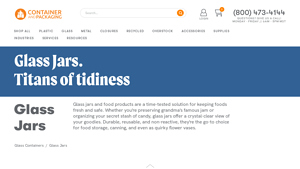
Domain: containerandpackaging.com
Registered: 2001 (24 years)
Introduction: Glass jars are a time-tested solution for keeping foods fresh and safe. They are durable, reusable, and non-reactive, making them ideal for food storage, canning, and even as decorative flower vases.
10. Weck Jars – 3L Barrel Jar & Medium Bowl Set
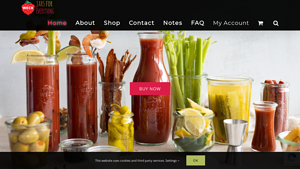
Domain: weckjars.com
Registered: 2010 (15 years)
Introduction: 776 – 3 L Barrel Jar – $15.50; 565 – Medium Bowl (Set of 4) – $23.00; 568 – Medium Bundt Jar (Set of 6) – $22.00
Understanding wholesale jam jars Types and Variations
| Type Name | Key Distinguishing Features | Primary B2B Applications | Brief Pros & Cons for Buyers |
|---|---|---|---|
| Mason Jars | Wide mouth, versatile sizes, durable glass | Preserves, jams, pickles, home canning | Pros: Strong sealing, reusable; Cons: Heavier than plastic. |
| Straight-Sided Jars | Uniform shape, various sizes, easy labeling | Retail packaging for jams and sauces | Pros: Great for branding; Cons: Limited aesthetic appeal. |
| Hexagon Jars | Unique shape, often used for gourmet products | Specialty jams, gifts, promotional items | Pros: Eye-catching design; Cons: Higher cost per unit. |
| Mini Jam Jars | Small capacity, ideal for samples or gifts | Sampling, promotional gifts | Pros: Cost-effective for small portions; Cons: Limited use for larger quantities. |
| Amber Jars | UV protection, ideal for light-sensitive products | Honey, preserves, organic products | Pros: Protects contents from light; Cons: Higher cost due to specialized glass. |
What Are the Key Characteristics of Mason Jars for B2B Buyers?
Mason jars are iconic in the food industry, particularly for their wide mouth and durable glass construction. Typically available in various sizes, they are perfect for home canning and preserving a wide range of products, from jams to pickles. For B2B buyers, the strong sealing capabilities of these jars ensure product longevity, making them an excellent choice for businesses focused on quality and freshness. However, their heavier weight compared to plastic alternatives may increase shipping costs.
How Do Straight-Sided Jars Benefit Retail Packaging?
Straight-sided jars are characterized by their uniform shape, which facilitates easy labeling and branding. These jars come in various sizes, making them suitable for retail packaging of jams, sauces, and other food products. For B2B buyers, the ease of customization with labels provides a significant marketing advantage. However, they may lack the aesthetic appeal of more uniquely shaped jars, which could impact consumer perception in certain markets.
Why Choose Hexagon Jars for Specialty Products?
Hexagon jars stand out due to their unique shape, making them ideal for gourmet products and gifts. Their design can attract consumer attention and enhance brand visibility on retail shelves. B2B buyers looking to position their products as premium offerings will find hexagon jars particularly appealing. Nevertheless, the cost per unit is generally higher than standard jars, which could impact budget considerations for bulk purchases.
What Are the Advantages of Mini Jam Jars in Marketing?
Mini jam jars are perfect for offering samples or gift-sized portions of gourmet products. Their small capacity allows businesses to provide customers with a taste of their offerings without a significant investment. For B2B buyers, these jars are cost-effective for promotional campaigns and can boost brand awareness. However, their limited size means they may not be suitable for customers looking to purchase larger quantities.
How Do Amber Jars Protect Light-Sensitive Products?
Amber jars are specifically designed to protect light-sensitive products, such as honey and organic preserves, from UV degradation. This characteristic is crucial for businesses that prioritize product quality and longevity. B2B buyers should consider amber jars for their ability to maintain product integrity over time. The trade-off, however, is that these specialized jars tend to be more expensive than standard clear jars, which may affect overall procurement costs.
Key Industrial Applications of wholesale jam jars
| Industry/Sector | Specific Application of wholesale jam jars | Value/Benefit for the Business | Key Sourcing Considerations for this Application |
|---|---|---|---|
| Food & Beverage Manufacturing | Packaging for jams, jellies, and preserves | Ensures product freshness and extends shelf life | Quality of glass, closure options, and bulk purchasing discounts |
| Retail & Grocery | Display and sale of gourmet food products | Enhances product appeal and branding opportunities | Custom labeling options and sizes for diverse product ranges |
| Hospitality & Catering | Individual servings of jams for hotels and restaurants | Provides a premium experience for guests | Portion sizes and aesthetic design for upscale presentations |
| Craft & Artisan Producers | Small batch production of artisanal jams | Supports local businesses and unique product offerings | Compliance with food safety standards and eco-friendly materials |
| Gift & Promotional Products | Mini jars for gifts and promotional items | Attractive packaging for marketing campaigns | Customization options and bulk order capabilities |
How Are Wholesale Jam Jars Utilized in Food & Beverage Manufacturing?
In the food and beverage manufacturing sector, wholesale jam jars serve as essential packaging for various products like jams, jellies, and preserves. These jars provide a reliable barrier against external contaminants, ensuring that the flavors and freshness of the product are preserved. For international buyers, particularly in regions like Africa and South America, it’s critical to source jars that meet local food safety regulations and standards. Additionally, considerations around glass quality and closure types can significantly affect the shelf life of products, making these factors crucial in the sourcing process.
What Role Do Wholesale Jam Jars Play in Retail & Grocery?
Retailers utilize wholesale jam jars to enhance the presentation and sale of gourmet food products. The clear glass allows consumers to see the quality of the product, which can drive purchase decisions. For B2B buyers in Europe and the Middle East, offering customization options for labeling can help differentiate products on crowded shelves. Moreover, understanding the local market trends and consumer preferences can guide the selection of jar sizes and designs that appeal to target demographics.
How Are Wholesale Jam Jars Leveraged in Hospitality & Catering?
In the hospitality and catering industry, individual servings of jams in wholesale jars can elevate the dining experience in hotels and restaurants. These jars not only provide convenience but also add a touch of sophistication to breakfast spreads. For buyers in regions like Saudi Arabia and Nigeria, sourcing aesthetically pleasing jars that align with the brand’s image is essential. Additionally, ensuring that the jars are easy to handle and serve from can enhance operational efficiency in busy catering environments.
Why Are Wholesale Jam Jars Important for Craft & Artisan Producers?
Craft and artisan producers often rely on wholesale jam jars for small batch production of unique jams and jellies. These jars enable them to present their products in a way that reflects their artisanal quality, appealing to consumers looking for local and handmade options. For international B2B buyers, it is important to consider compliance with food safety standards, as well as the use of eco-friendly materials that resonate with environmentally conscious consumers. Sourcing from suppliers who understand these needs can help strengthen brand positioning.
How Are Wholesale Jam Jars Used in Gift & Promotional Products?
Wholesale jam jars are increasingly popular for use in gift and promotional products, particularly in regions where customized offerings can enhance marketing strategies. Mini jars filled with jams make attractive gifts and can be part of promotional campaigns aimed at increasing brand visibility. Buyers should focus on sourcing jars that allow for easy customization, including labeling and packaging options. Additionally, bulk order capabilities can provide cost savings, making it feasible for businesses to engage in promotional activities without overspending.
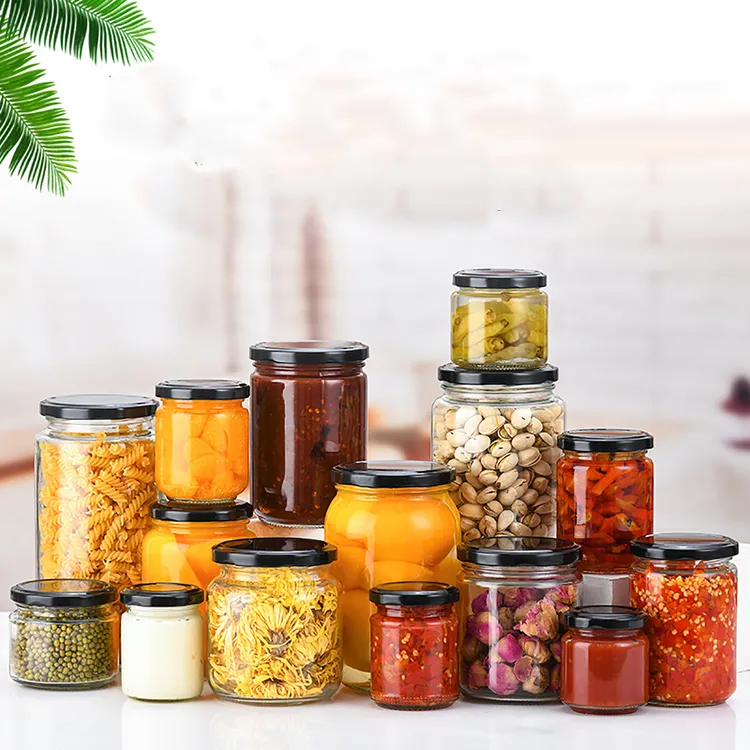
A stock image related to wholesale jam jars.
3 Common User Pain Points for ‘wholesale jam jars’ & Their Solutions
Scenario 1: Sourcing Quality Wholesale Jam Jars in Bulk
The Problem: When purchasing wholesale jam jars, B2B buyers often struggle to find suppliers that offer high-quality products at competitive prices. This is particularly challenging for businesses in regions like Africa and South America, where shipping costs can significantly inflate the overall price. Buyers may also face issues related to inconsistent quality, leading to concerns about product integrity and customer satisfaction. Without reliable suppliers, businesses risk stockouts, which can disrupt production and damage their reputation.
The Solution: To mitigate these issues, buyers should thoroughly research and vet potential suppliers before making a purchase. Start by looking for suppliers with established reputations and positive customer reviews. It’s essential to request samples to assess the quality of the jars firsthand. Additionally, consider forming partnerships with local distributors who can provide consistent supply and reduce shipping costs. Leveraging digital platforms to connect with manufacturers can also yield better pricing and product options. Establishing clear communication about quality standards and shipping timelines will help ensure that your orders meet your business needs consistently.
Scenario 2: Navigating Jar Sizes and Styles for Product Line
The Problem: Another common pain point for B2B buyers is selecting the appropriate jar sizes and styles that align with their product offerings. With a variety of shapes and sizes available—ranging from mini jars for samples to larger jars for bulk sales—deciding which to choose can be overwhelming. Misalignment in jar selection can lead to wasted resources and dissatisfied customers if the product doesn’t meet market expectations.
The Solution: To tackle this issue, buyers should conduct market research to understand customer preferences in their target regions. Analyzing competitors’ packaging can provide insights into popular sizes and styles. Once you have this data, create a product line strategy that specifies which jar sizes will be used for different products. It’s also beneficial to engage with suppliers who offer a variety of jar styles, allowing for flexibility in packaging. Consider testing different sizes through limited product launches to gather customer feedback before committing to larger orders. This approach will not only streamline your packaging process but also enhance customer satisfaction.
Scenario 3: Ensuring Compliance with Food Safety Regulations
The Problem: Compliance with food safety regulations is critical for any business involved in food production, including those using wholesale jam jars. B2B buyers often find it challenging to ensure that their jars meet local and international safety standards, particularly when importing products from overseas. Non-compliance can lead to costly recalls, legal issues, and damage to brand reputation.
The Solution: To ensure compliance, buyers must familiarize themselves with the relevant regulations in their target markets. This includes understanding requirements for materials, labeling, and safety certifications. When sourcing wholesale jam jars, prioritize suppliers that provide documentation regarding the safety and quality of their products. Look for jars that are BPA-free and made from food-safe materials, as these will meet most regulatory standards. Additionally, consider investing in third-party testing services to verify compliance and ensure that all packaging meets the required safety standards. By implementing a robust quality assurance process, buyers can protect their businesses from potential liabilities and enhance consumer trust in their products.
Strategic Material Selection Guide for wholesale jam jars
When selecting materials for wholesale jam jars, international B2B buyers must consider several factors that affect product performance, cost, and compliance with local standards. Below, we analyze four common materials used in the production of jam jars: glass, plastic, metal, and ceramic. Each material has unique properties and implications for various markets, particularly in Africa, South America, the Middle East, and Europe.
What Are the Key Properties of Glass Jam Jars?
Glass is a popular choice for jam jars due to its non-porous nature and excellent barrier properties. It is highly resistant to temperature fluctuations, making it suitable for both hot-fill and cold-fill applications. Glass jars can withstand high pressure and are not susceptible to corrosion, ensuring that the contents remain uncontaminated.
Pros: Glass jars offer superior durability and aesthetic appeal, enhancing product presentation. They are 100% recyclable, aligning with sustainability goals. Additionally, glass does not leach chemicals into food, ensuring safety.
Cons: The primary drawback of glass is its weight, which can increase shipping costs. It is also more fragile than other materials, requiring careful handling during transport and storage.
Impact on Application: Glass is compatible with a wide range of media, including acidic and high-sugar content products like jams. This makes it an ideal choice for gourmet products targeting health-conscious consumers.
Considerations for International Buyers: Compliance with standards such as ASTM and DIN is crucial. Buyers should also consider local preferences for packaging aesthetics and sustainability, which can vary significantly across regions.
How Does Plastic Compare for Wholesale Jam Jars?
Plastic jars are lightweight and shatterproof, making them a practical option for shipping and handling. They can be produced in various shapes and sizes, offering flexibility in design.
Pros: The lower cost of production and transportation makes plastic jars appealing for budget-conscious businesses. They are also resistant to breakage, reducing the risk of product loss during shipping.
Cons: Plastic may not provide the same level of barrier protection as glass, potentially affecting the shelf life of jams. Additionally, concerns over chemical leaching and environmental impact can deter eco-conscious consumers.
Impact on Application: Plastic jars are suitable for less acidic products and can be used for both hot and cold fills. However, they may not be ideal for premium products that require a high-end presentation.
Considerations for International Buyers: Buyers must ensure compliance with food safety standards, such as FDA regulations in the U.S. and REACH in Europe. The perception of plastic packaging can vary, with some markets favoring glass for premium products.
What Are the Benefits of Metal Jam Jars?
Metal jars, often used for specialty items, provide excellent durability and a unique aesthetic. They are typically coated to prevent corrosion and are suitable for long-term storage.
Pros: Metal jars are highly durable and resistant to impact, making them ideal for shipping. They also offer a distinctive appearance that can attract consumers.
Cons: The cost of metal jars is generally higher than glass or plastic, and they may require additional coatings to ensure food safety. They also have limited compatibility with acidic foods unless properly treated.
Impact on Application: Metal jars are suitable for products that require long shelf lives, such as preserves and specialty jams. However, their use may be limited in markets where glass is preferred for its perceived quality.
Considerations for International Buyers: Compliance with local food safety standards is essential. Additionally, buyers should consider the environmental impact of metal production and recycling options in their regions.
How Do Ceramic Jam Jars Stand Out?
Ceramic jars are less common but can be an attractive option for artisanal products. They offer excellent thermal insulation and can be visually appealing.
Pros: Ceramic jars are durable and provide a unique aesthetic that can enhance brand identity. They are also non-reactive, making them safe for a variety of food products.
Cons: The cost of ceramic jars can be significantly higher due to manufacturing complexity. They are also heavier and more fragile, which can increase shipping costs and risk.
Impact on Application: Ceramic is suitable for high-end products, particularly in markets that value artisanal craftsmanship. However, they may not be practical for mass production.
Considerations for International Buyers: Buyers should be aware of local preferences for packaging materials and the potential for higher shipping costs. Compliance with safety standards is also critical.
Summary Table of Material Selection for Wholesale Jam Jars
| Material | Typical Use Case for wholesale jam jars | Key Advantage | Key Disadvantage/Limitation | Relative Cost (Low/Med/High) |
|---|---|---|---|---|
| Glass | Gourmet jams and preserves | Non-reactive and recyclable | Heavy and fragile | Medium |
| Plastic | Budget-friendly products | Lightweight and shatterproof | Potential chemical leaching | Low |
| Metal | Specialty items | Durable and unique aesthetic | Higher cost and limited compatibility | High |
| Ceramic | Artisanal products | Unique appearance and non-reactive | Expensive and fragile | High |
This guide outlines the strategic considerations for selecting the right material for wholesale jam jars, providing B2B buyers with actionable insights tailored to their specific market needs.
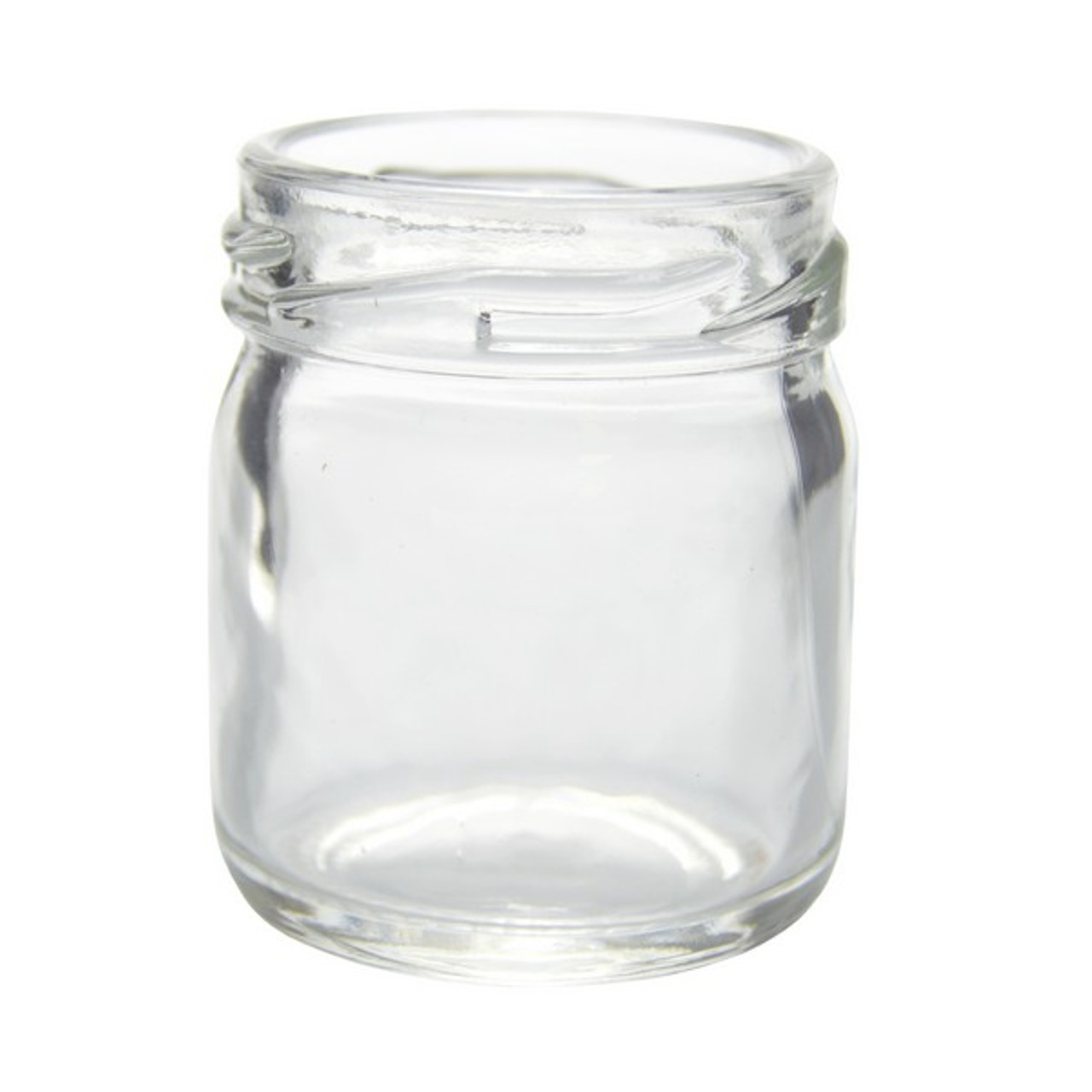
A stock image related to wholesale jam jars.
In-depth Look: Manufacturing Processes and Quality Assurance for wholesale jam jars
The manufacturing and quality assurance processes for wholesale jam jars are critical factors that directly influence product reliability and market acceptance. For B2B buyers, particularly those in regions like Africa, South America, the Middle East, and Europe, understanding these processes can ensure that the products meet both local and international standards.
What Are the Main Stages in the Manufacturing Process of Wholesale Jam Jars?
The manufacturing process of glass jam jars typically involves several key stages: material preparation, forming, assembly, and finishing.
-
Material Preparation: The primary raw material for glass jars is silica sand, which is mixed with soda ash and limestone. This mixture is heated in a furnace at temperatures exceeding 1700°C to create molten glass. The purity of the raw materials is essential as impurities can affect the glass quality.
-
Forming: Once the glass is molten, it is shaped into jars using various forming techniques. The most common method is the blow-and-blow technique, where a parison (preform) is first created and then blown into the final shape in a mold. Another method is the press-and-blow technique, where the glass is pressed into a mold and then blown to achieve the final shape. Each method has its advantages, such as cost-effectiveness or the ability to produce intricate designs.
-
Assembly: After forming, the jars undergo an assembly process where closures, such as metal lids or plastic caps, are fitted. This is a critical stage, as proper sealing is necessary to ensure product longevity and safety.
-
Finishing: The jars are then cooled in an annealing lehr, which helps relieve internal stresses in the glass. After cooling, the jars are inspected for defects, cleaned, and packaged for shipping. This stage may also include labeling, which is vital for branding and compliance with regulations.
How Is Quality Control Implemented Throughout the Manufacturing Process?
Quality control (QC) is essential in the glass manufacturing process to ensure that the final products meet international standards and customer expectations.
-
International and Industry Standards: Many manufacturers adhere to quality management systems such as ISO 9001, which outlines criteria for a quality management system focused on consistent quality and customer satisfaction. Additionally, specific certifications like CE (Conformité Européenne) and API (American Petroleum Institute) may be relevant for certain markets or applications.
-
QC Checkpoints: Quality control checkpoints are strategically placed throughout the manufacturing process:
– Incoming Quality Control (IQC): Raw materials are inspected upon arrival. This includes checking the chemical composition of the glass batch to ensure it meets specifications.
– In-Process Quality Control (IPQC): During production, regular checks are performed to monitor the forming process, ensuring that the jars are being produced within the specified tolerances. This may include measurements of jar dimensions and weight.
– Final Quality Control (FQC): Once the jars are finished, they undergo rigorous testing for defects, including checks for cracks, chips, and uniformity. This stage often involves visual inspections and automated systems that can detect flaws. -
Common Testing Methods: Various testing methods are employed to ensure the quality of the jars. These include:
– Pressure Testing: To ensure jars can withstand internal pressures without breaking.
– Thermal Shock Testing: To assess how well jars can handle temperature changes, which is crucial for products that may be pasteurized or stored in varying conditions.
– Leak Testing: For jars with closures, ensuring that seals are secure and products remain uncontaminated.
How Can B2B Buyers Verify Supplier Quality Control Measures?
For B2B buyers, especially those operating in diverse international markets, verifying the quality control measures of suppliers is essential. Here are several approaches to ensure that suppliers meet quality standards:
-
Supplier Audits: Conducting on-site audits of potential suppliers can provide insights into their manufacturing processes and quality control practices. This includes reviewing their quality management systems, employee training programs, and equipment maintenance protocols.
-
Quality Assurance Reports: Requesting detailed quality assurance reports can help buyers understand a supplier’s QC processes. These reports should outline the results of various testing methods and any corrective actions taken for past quality issues.
-
Third-Party Inspections: Engaging third-party inspection services can provide an unbiased assessment of a supplier’s capabilities. These services can evaluate the manufacturing process, conduct random sampling, and perform testing to confirm compliance with specified standards.
-
Certifications and Compliance: Buyers should ensure that suppliers have the necessary certifications relevant to their market. This may include checking for ISO certifications, local compliance documents, and any industry-specific certifications that pertain to food safety and packaging.
What Are the Quality Control Nuances for International B2B Buyers?
International buyers face unique challenges when assessing quality control in suppliers. Understanding local regulations and standards in the target markets is essential. For example, regulations regarding food safety can vary significantly between regions. Buyers must be aware of:
-
Regional Regulations: Different countries may have specific regulations concerning food packaging materials, including glass jars. Familiarizing oneself with these regulations helps ensure compliance and avoids potential legal issues.
-
Cultural Expectations: In some regions, consumers may have particular expectations regarding packaging aesthetics and functionality. Understanding these cultural nuances can inform product design and marketing strategies.
-
Logistical Considerations: Shipping glass jars internationally requires careful consideration of packaging and handling to prevent damage. Buyers should confirm that suppliers have experience with international logistics and understand how to minimize risks during transport.
By comprehensively understanding the manufacturing processes and quality assurance measures for wholesale jam jars, B2B buyers can make informed decisions, ensuring they source high-quality products that meet their needs and those of their customers.
Practical Sourcing Guide: A Step-by-Step Checklist for ‘wholesale jam jars’
This guide provides a practical checklist for B2B buyers looking to source wholesale jam jars effectively. By following these steps, you can ensure that your procurement process is thorough, efficient, and tailored to your business needs.
1. Identify Your Requirements
Begin by clearly defining the types of jam jars you need based on your product line. Consider factors such as size, shape, and material (glass vs. plastic) that align with your brand’s image and product specifications. Understanding your requirements upfront helps streamline the sourcing process and narrows down potential suppliers.
2. Research Potential Suppliers
Conduct thorough research to identify potential suppliers that specialize in wholesale jam jars. Look for companies with a solid reputation in the industry, focusing on those that cater to your geographical market. Utilizing online directories, trade shows, and industry associations can provide valuable insights into reliable suppliers.
3. Verify Supplier Certifications
Before proceeding, ensure that the suppliers you are considering hold relevant certifications, such as ISO standards or food safety compliance. This step is crucial for maintaining product quality and safety, particularly when dealing with food-related packaging. Request documentation to confirm these certifications and assess their adherence to international standards.
4. Request Samples
Once you have narrowed down your options, request samples of the jam jars you are interested in. Evaluating samples allows you to assess the quality, durability, and suitability of the jars for your products. Pay attention to factors such as glass thickness, seal integrity, and the ease of labeling, as these can affect your product’s marketability.
5. Compare Pricing and Terms
Gather quotes from multiple suppliers and compare their pricing structures. Look beyond the unit price; consider factors like shipping costs, minimum order quantities, and payment terms. A supplier offering a lower price may not always be the best option if their terms are less favorable or if they have longer lead times.
6. Evaluate Customer Support and Communication
Effective communication is essential for a successful supplier relationship. Assess how responsive and helpful potential suppliers are during your inquiries. A supplier that offers strong customer support can be invaluable in resolving issues quickly and ensuring a smooth procurement process.
7. Finalize Your Order and Terms
After selecting a supplier, finalize your order and ensure that all terms are clearly documented in a contract. Include specifics about delivery timelines, payment schedules, and quality assurance standards. This step is vital to protect your interests and ensure that both parties are aligned on expectations.
By following this structured checklist, you can navigate the sourcing process for wholesale jam jars with confidence, ensuring that you select the best suppliers to meet your business needs.
Comprehensive Cost and Pricing Analysis for wholesale jam jars Sourcing
What Are the Key Cost Components in Sourcing Wholesale Jam Jars?
Understanding the cost structure is crucial for international B2B buyers when sourcing wholesale jam jars. The primary cost components include:
-
Materials: Glass is the primary material for jam jars, and prices can fluctuate based on global supply chains, demand, and quality. Higher-quality glass may carry a premium.
-
Labor: Manufacturing labor costs vary significantly by region. Countries with lower labor costs may offer more competitive pricing, but this can also affect quality and consistency.
-
Manufacturing Overhead: This includes costs related to utilities, equipment maintenance, and facility expenses. Efficient manufacturing processes can mitigate these costs, impacting overall pricing.
-
Tooling: Custom molds and tooling for unique jar shapes or sizes can require significant upfront investment. This cost is usually spread over the production run, so larger orders may benefit from lower per-unit tooling costs.
-
Quality Control (QC): Implementing stringent QC processes ensures that jars meet safety and quality standards, particularly important for food-grade products. However, enhanced QC measures can add to overall costs.
-
Logistics: Transportation costs can vary greatly based on the distance from the supplier to the buyer, mode of transport, and any tariffs or duties involved. Efficient logistics management can lead to significant savings.
-
Margin: Suppliers typically include a profit margin in their pricing. Understanding the standard margins in the industry can help buyers negotiate better deals.
How Do Price Influencers Affect Wholesale Jam Jar Costs?
Several factors influence the pricing of wholesale jam jars, particularly for international buyers:
-
Volume and Minimum Order Quantity (MOQ): Larger orders generally lead to lower per-unit costs. Suppliers may offer discounts for bulk purchases, making it advantageous for buyers to consolidate orders.
-
Specifications and Customization: Custom jars or unique specifications can lead to higher costs due to specialized manufacturing processes. Buyers should weigh the necessity of customization against potential cost increases.
-
Materials and Quality Certifications: The use of premium materials or certifications (like BPA-free) can drive up prices. Buyers should assess the importance of these factors based on their target market and regulatory requirements.
-
Supplier Factors: The reputation and reliability of the supplier can impact pricing. Established suppliers may charge more due to their quality assurance processes, while less-known suppliers may offer lower prices with higher risk.
-
Incoterms: Understanding Incoterms (International Commercial Terms) is essential for determining who bears costs and risks at various stages of transportation. This can significantly affect the Total Cost of Ownership (TCO).
What Buyer Tips Can Enhance Cost-Efficiency in Sourcing Jam Jars?
For international B2B buyers, particularly from regions such as Africa, South America, the Middle East, and Europe, several strategies can enhance cost-efficiency:
-
Negotiation: Engage suppliers in discussions regarding pricing, especially for large orders or long-term contracts. Leverage competitive offers from multiple suppliers to negotiate better terms.
-
Total Cost of Ownership (TCO): Consider not just the purchase price but all associated costs, including shipping, tariffs, and storage. A lower upfront price may not always equate to better value.
-
Pricing Nuances for International Markets: Different regions may have varying pricing structures due to local economic conditions, tariffs, and import duties. Conduct thorough market research to understand these nuances before finalizing purchases.
-
Supplier Relationships: Building long-term relationships with suppliers can lead to better pricing, priority service, and more favorable payment terms. Regular communication and timely payments foster trust and reliability.
In conclusion, while sourcing wholesale jam jars involves multiple cost components and pricing influencers, strategic approaches can help international buyers optimize their purchasing decisions, ultimately leading to better profitability and product quality.
Alternatives Analysis: Comparing wholesale jam jars With Other Solutions
Understanding Alternative Solutions to Wholesale Jam Jars
When sourcing packaging solutions for jams and preserves, wholesale jam jars are a popular choice. However, various alternative options exist that can cater to different business needs, preferences, and market demands. In this analysis, we will compare wholesale jam jars with two viable alternatives: plastic containers and pouch packaging. Each of these alternatives offers unique benefits and challenges that can influence your purchasing decision.
Comparison Table
| Comparison Aspect | Wholesale Jam Jars | Plastic Containers | Pouch Packaging |
|---|---|---|---|
| Performance | Excellent barrier to air and moisture; preserves flavor and freshness effectively. | Good for short-term storage; may not be as airtight as glass. | Great for lightweight products; flexible and easy to transport. |
| Cost | Moderate to high; bulk pricing can lower costs significantly. | Generally lower than glass; cost-effective for high-volume needs. | Typically low; offers good value for mass production. |
| Ease of Implementation | Simple to implement; requires minimal equipment for filling and sealing. | Easy to use; compatible with automated filling machines. | Requires specialized machinery for filling and sealing, increasing complexity. |
| Maintenance | Requires careful handling to avoid breakage; recyclable but can be heavy. | Low maintenance; often recyclable but may not be biodegradable. | Minimal maintenance; lightweight and space-efficient. |
| Best Use Case | Ideal for premium products and artisanal brands looking to enhance shelf appeal. | Suitable for budget-conscious brands focusing on convenience. | Best for on-the-go consumption or single-serving products. |
Detailed Breakdown of Alternatives
Plastic Containers
Plastic containers are a common alternative to glass jars, especially for businesses targeting cost-sensitive markets. These containers are generally lighter and less fragile than glass, making them easier to transport and store. They offer a range of sizes and shapes, which can be beneficial for product differentiation. However, plastic may not provide the same level of freshness preservation as glass, and some consumers are concerned about the environmental impact of plastic packaging.
Pouch Packaging
Pouch packaging has gained popularity due to its flexibility and lightweight characteristics. These pouches are often resealable and can effectively preserve the product’s freshness. They are particularly advantageous for brands looking to offer single-serving sizes or portable options for consumers. On the downside, pouch packaging typically requires specialized machinery for filling and sealing, which can add complexity and initial investment costs. Furthermore, some consumers may perceive pouches as lower-quality compared to traditional glass jars.
Conclusion: How to Choose the Right Packaging Solution
When selecting the right packaging solution for your business, consider the specific needs of your target market, the nature of your product, and your budget constraints. Wholesale jam jars are excellent for premium products that benefit from the aesthetic appeal of glass, while plastic containers may serve well for high-volume, cost-effective options. Pouch packaging can be ideal for innovative brands focusing on convenience and portability. Ultimately, the decision should align with your brand’s identity, product positioning, and customer preferences to ensure long-term success in the competitive market.
Essential Technical Properties and Trade Terminology for wholesale jam jars
What are the Key Technical Properties of Wholesale Jam Jars?
When sourcing wholesale jam jars, understanding the technical specifications is crucial for ensuring product quality, safety, and compliance with market standards. Here are some essential properties to consider:
-
Material Grade
Most wholesale jam jars are made from high-quality glass, which is non-porous and impermeable, ensuring that the contents remain uncontaminated. Glass jars are preferred for their sustainability, as they are 100% recyclable. Buyers should verify the glass grade to ensure it meets the standards required for food safety and durability. -
Neck Finish
The neck finish, or the jar’s opening diameter, is critical for compatibility with lids and closures. Common neck finishes include 70-400, 70-450, and 58-400. Understanding these specifications helps buyers select the right closures for sealing their products effectively, which is crucial for maintaining freshness and preventing leaks during transport. -
Capacity
Jam jars come in various sizes, typically ranging from 2 oz to 32 oz. Knowing the intended use—whether for retail, wholesale, or gifting—can guide buyers in selecting the appropriate sizes. Different regions may have preferences for jar sizes, impacting sales and inventory management. -
Thickness and Tolerance
Jar thickness affects durability and weight. A thicker jar may be less prone to breakage, which is essential for transportation and shelf stability. Tolerance levels indicate the allowable variation in jar dimensions, ensuring that they fit correctly with lids and packaging. This is particularly important for businesses that require high-volume production where consistency is key. -
Closure Compatibility
The type of closure used with the jar, such as twist-off lids or snap-on caps, can influence product shelf life and user experience. Buyers should consider the closure options available for the jars they choose, ensuring they are suitable for their specific products and compliant with safety regulations. -
BPA-Free Certification
Many buyers are concerned about the safety of materials used in packaging. Ensuring that jars are BPA-free is vital, as this chemical can leach into food products. Certifications provide assurance to consumers and can enhance brand reputation in markets that prioritize health-conscious packaging.
What are Common Trade Terms in the Wholesale Jam Jar Industry?
Familiarity with industry terminology is essential for effective communication and negotiation in B2B transactions. Here are several key terms:
-
OEM (Original Equipment Manufacturer)
This term refers to companies that produce products for other brands, allowing businesses to market jars under their own label. Understanding OEM relationships can help buyers navigate supplier options and brand development. -
MOQ (Minimum Order Quantity)
MOQ is the smallest quantity a supplier is willing to sell. Knowing the MOQ is essential for budgeting and inventory planning, especially for businesses looking to scale their operations. -
RFQ (Request for Quotation)
An RFQ is a document sent to suppliers to request pricing and terms for specific quantities of products. This is a crucial step for buyers to compare prices and negotiate favorable terms. -
Incoterms (International Commercial Terms)
These are internationally recognized rules that define the responsibilities of buyers and sellers in international transactions. Understanding Incoterms helps buyers clarify shipping responsibilities, insurance, and risk management during transport. -
Lead Time
This term refers to the time it takes from placing an order to receiving the goods. Knowing lead times is vital for inventory management and can impact business operations, particularly in markets with fluctuating demand. -
Customs Clearance
The process of getting goods through customs barriers for import or export. Understanding customs regulations is crucial for international buyers to avoid delays and additional costs.
By familiarizing themselves with these technical properties and trade terms, B2B buyers can make informed decisions when purchasing wholesale jam jars, ensuring they meet market demands and compliance standards.
Navigating Market Dynamics and Sourcing Trends in the wholesale jam jars Sector
What Are the Current Market Dynamics and Key Trends in the Wholesale Jam Jar Sector?
The wholesale jam jar market is experiencing significant growth driven by an increasing demand for homemade and artisanal food products. Factors such as rising consumer interest in organic and locally sourced ingredients, coupled with the growing trend of home canning and preservation, are propelling this sector forward. International B2B buyers, particularly from regions like Africa, South America, the Middle East, and Europe, are increasingly seeking reliable suppliers that can offer a variety of jar sizes and styles to cater to diverse consumer preferences.
Emerging technologies, such as e-commerce platforms and supply chain management software, are reshaping sourcing strategies. Buyers can now efficiently compare prices, specifications, and shipping options across multiple suppliers. Additionally, the use of data analytics is helping businesses forecast demand and optimize inventory levels, reducing the risk of stockouts. Buyers are encouraged to leverage these technological advancements to streamline their procurement processes and enhance operational efficiency.
Furthermore, the market is witnessing a shift toward customizable packaging solutions. Suppliers that offer branding options, such as personalized labels and unique jar designs, are becoming increasingly attractive to B2B buyers looking to differentiate their products in competitive markets. As the demand for sustainable packaging continues to rise, the wholesale jam jar sector is adapting by providing eco-friendly options that align with consumer values.
How Is Sustainability and Ethical Sourcing Shaping the Wholesale Jam Jar Industry?
Sustainability is no longer just a buzzword; it has become a crucial consideration for businesses in the wholesale jam jar sector. The environmental impact of packaging materials is at the forefront of buyer considerations, with many companies prioritizing suppliers that offer glass jars made from 100% recyclable materials. Glass is favored not only for its aesthetic appeal but also for its ability to preserve product integrity without leaching harmful chemicals.
Ethical sourcing practices are gaining traction, with buyers increasingly interested in the origins of their packaging materials. Suppliers that can demonstrate transparency in their supply chains and adhere to ethical labor practices are likely to build stronger relationships with international buyers. Certifications such as ISO 14001 (Environmental Management) and Fair Trade can serve as vital indicators of a supplier’s commitment to sustainability and ethical sourcing.
Moreover, the demand for “green” certifications is influencing purchasing decisions. Buyers should look for suppliers that comply with environmental regulations and offer sustainable packaging solutions, such as jars that minimize carbon footprints during production and transportation. This not only enhances brand reputation but also meets the growing consumer demand for environmentally responsible products.
What Is the Evolution of the Wholesale Jam Jar Market?
The wholesale jam jar market has undergone significant evolution over the years. Initially dominated by traditional glass containers, the sector has embraced innovation with the introduction of various designs, sizes, and materials. The rise of home canning in the early 20th century marked the beginning of a more personalized approach to food preservation. As consumer preferences shifted towards artisanal and homemade products, the demand for unique and aesthetically pleasing packaging grew.
In recent years, the market has seen a surge in the popularity of eco-friendly packaging options, reflecting a broader societal shift towards sustainability. The integration of technology in sourcing and supply chain management has further transformed the landscape, allowing buyers to make informed decisions and optimize their operations. Today, the wholesale jam jar sector continues to adapt to changing consumer trends, positioning itself for sustained growth in the global marketplace.
Frequently Asked Questions (FAQs) for B2B Buyers of wholesale jam jars
-
1. How do I choose the right wholesale jam jars for my business?
Choosing the right wholesale jam jars involves considering several factors. First, assess the volume of jam you plan to package and select jar sizes that align with your product offering. Consider the jar’s shape, color, and material, as these elements can enhance your brand’s appeal. Ensure the jars are compatible with your sealing methods and check for any specific regulatory requirements in your target market. Lastly, inquire about customization options, such as labeling and branding, to ensure your jars reflect your business identity. -
2. What is the best material for jam jars when sourcing wholesale?
Glass is generally the best material for jam jars due to its non-porous nature, which preserves flavor and quality. It is recyclable, enhancing sustainability, and offers an appealing aesthetic that can attract consumers. Additionally, glass jars provide excellent barrier properties against oxygen and moisture, making them ideal for long-term storage of jams. If you are considering plastic alternatives, ensure they are BPA-free and suitable for food contact, but keep in mind that glass remains the preferred choice for premium products. -
3. What are the minimum order quantities (MOQ) for wholesale jam jars?
Minimum order quantities for wholesale jam jars can vary significantly among suppliers. Typically, MOQs range from a few dozen to several thousand units, depending on the manufacturer and the specific jar type. When sourcing, inquire about the MOQ upfront to ensure it aligns with your inventory needs and budget. Some suppliers may offer flexible MOQs for first-time buyers or smaller businesses, so it’s worth discussing your requirements to find a mutually beneficial arrangement. -
4. How can I vet suppliers for wholesale jam jars?
Vetting suppliers is crucial to ensure you receive high-quality products and reliable service. Start by researching potential suppliers’ reputations through online reviews and industry forums. Request samples to assess the quality of the jars and their suitability for your products. Evaluate their production capabilities, lead times, and compliance with international standards. Additionally, consider visiting their facilities if possible or conducting video calls to gain a better understanding of their operations and professionalism. -
5. What payment terms should I expect when sourcing wholesale jam jars?
Payment terms for wholesale jam jars can vary by supplier and may include options such as net 30, net 60, or even upfront payment. Common practices involve a deposit upon order confirmation, with the balance due before shipment. For international buyers, it’s advisable to use secure payment methods like letters of credit or escrow services to mitigate risks. Always clarify payment terms in the contract to avoid misunderstandings and ensure that they are manageable for your cash flow. -
6. How do I ensure quality assurance (QA) for wholesale jam jars?
To ensure quality assurance for wholesale jam jars, work closely with your supplier to establish clear quality standards. Request documentation of their QA processes, including testing for durability, seal integrity, and compliance with food safety regulations. Consider conducting regular quality checks on received shipments and maintain open communication with the supplier regarding any quality concerns. Building a strong relationship with your supplier can also facilitate quicker resolutions for any issues that arise. -
7. What logistics considerations should I keep in mind when importing jam jars?
When importing jam jars, logistics considerations are essential for a smooth process. Evaluate shipping options, including air and sea freight, based on your budget and urgency. Understand customs regulations and import duties in your country to avoid unexpected costs. Collaborating with a reliable freight forwarder can help streamline the shipping process and manage documentation. Ensure that your jars are packaged securely to prevent damage during transit, and plan for warehousing needs upon arrival. -
8. Can I customize wholesale jam jars with my branding?
Yes, many suppliers offer customization options for wholesale jam jars, allowing you to incorporate your branding. This can include custom labels, colors, and shapes to align with your brand identity. When discussing customization, inquire about the minimum order quantities and any additional costs involved. Providing your artwork or branding guidelines early in the process can help ensure that the final product meets your expectations and enhances your market presence.
Important Disclaimer & Terms of Use
⚠️ Important Disclaimer
The information provided in this guide, including content regarding manufacturers, technical specifications, and market analysis, is for informational and educational purposes only. It does not constitute professional procurement advice, financial advice, or legal advice.
While we have made every effort to ensure the accuracy and timeliness of the information, we are not responsible for any errors, omissions, or outdated information. Market conditions, company details, and technical standards are subject to change.
B2B buyers must conduct their own independent and thorough due diligence before making any purchasing decisions. This includes contacting suppliers directly, verifying certifications, requesting samples, and seeking professional consultation. The risk of relying on any information in this guide is borne solely by the reader.
Strategic Sourcing Conclusion and Outlook for wholesale jam jars
In navigating the wholesale jam jar market, strategic sourcing proves essential for international B2B buyers. Key takeaways include understanding the diverse range of jar sizes and styles, from economy jars to premium options, allowing businesses to tailor their offerings to specific markets. Establishing relationships with reliable suppliers ensures consistent quality and availability, crucial for maintaining production efficiency and meeting customer demands. Furthermore, prioritizing sustainability by choosing recyclable glass jars can enhance brand reputation and appeal in environmentally conscious markets.
Looking ahead, international buyers from regions such as Africa, South America, the Middle East, and Europe should leverage these insights to adapt to evolving market trends. As consumer preferences shift towards artisanal and locally sourced products, the demand for quality packaging solutions like jam jars is set to rise. Now is the time to engage with suppliers who can provide both product variety and logistical support, ensuring your business remains competitive. Embrace this opportunity to enhance your product line and strengthen your market presence by investing in high-quality wholesale jam jars that resonate with your customers.